Apartment Comfort
Why Your Apartment Loses Heat in Winter and How to Stop It
Why does your apartment lose heat so fast in winter? Learn the real heat-loss causes, how to diagnose them room by room, and which renter-friendly fixes make the biggest difference first.

Key takeaways
- Heat leaves through glass, drafts, uninsulated floors/ceilings, and ventilation.
- Find the path with simple tests before insulating fantasies.
- Corner units and top floors lose more.
- Shared walls behave differently than exterior walls.
What to check first
- Exterior wall count.
- Single vs double glazing.
- Draft locations.
- Radiator sizing vs room.
Dwell Calm tip
People blame the boiler when the real loss is a permanently tilted window for “fresh air” all winter.
When to get help
Structural gaps, damp, and heating plant failures → building team.
Where flats typically lose heat
Windows and uncontrolled infiltration dominate many rentals. Address those before exotic DIY insulation.
Prioritize by touch
Cold surfaces you sit near are priority one. Distant theoretical losses can wait.
Combine sealing with safe ventilation
Short purposeful airing beats a window left ajar for eight hours in midwinter.
Where flats lose heat fastest
Most rentals lose comfort through glass, uncontrolled drafts, and cold floors more than through mysterious wall cavities you cannot open. Prioritize what you can touch.
Glass
Large single-glazed windows dump heat. Thermal curtains that close fully at night, plus a small air gap off the glass, change how the room feels even when the thermostat number barely moves.
Infiltration
A tilted window “for fresh air” all winter can cost more than a short morning airing. Close it, then air for 5–10 minutes with the heat briefly lowered.
Floors and exterior corners
Corner units and ground floors feel colder. Rugs with pads help. Pull furniture a few centimeters off exterior walls to reduce cold-surface discomfort and hidden mold risk.
Heating delivery
A blocked radiator or closed vent makes people raise the thermostat for the whole flat. Clear the heat source before blaming the boiler.
Document outdoor temperature, indoor temperature, and which windows were open when you complain to management. Specific data gets repairs; vague “it’s cold” emails do not.
Practical next steps
Test one change at a time and give the room a few hours before judging results. Note outdoor weather, time of day, and whether doors or windows were open. That simple record prevents wasted purchases and gives clearer information if you need a landlord or technician.
Prefer reversible, lease-safe fixes first. Stop and get qualified help for gas smells, electrical faults, active leaks, large mold areas, or equipment that should not be opened by tenants.
For related checks, use the draft, humidity, and room-diagnosis guides on Dwell Calm rather than stacking random gadgets in the same afternoon.
Find the path
Glass, drafts, and floors dominate rental losses. Touch cold surfaces you sit near first; ignore wall-cavity fantasies you cannot open.
More detail you can use today
Touch glass, drafts, and floors before theorizing about inaccessible cavities.
If a product fights your windows, doors, or lease rules, remove it. A stuck sash or scraped fire door is a worse outcome than a small leftover draft. Prefer reversible kits and keep packaging until you know the fix earned its keep.
When comfort finally stabilizes, stop adding layers. Extra gadgets after the problem is solved mostly add clutter and energy use.
Share what worked with your household so people do not reopen tilted windows or block the radiator you just cleared. Consistency keeps the win.
More detail you can use today
Touch glass, drafts, and floors before theorizing about inaccessible cavities.
If a product fights your windows, doors, or lease rules, remove it. A stuck sash or scraped fire door is a worse outcome than a small leftover draft. Prefer reversible kits and keep packaging until you know the fix earned its keep.
When comfort finally stabilizes, stop adding layers. Extra gadgets after the problem is solved mostly add clutter and energy use.
Share what worked with your household so people do not reopen tilted windows or block the radiator you just cleared. Consistency keeps the win.
Related guides
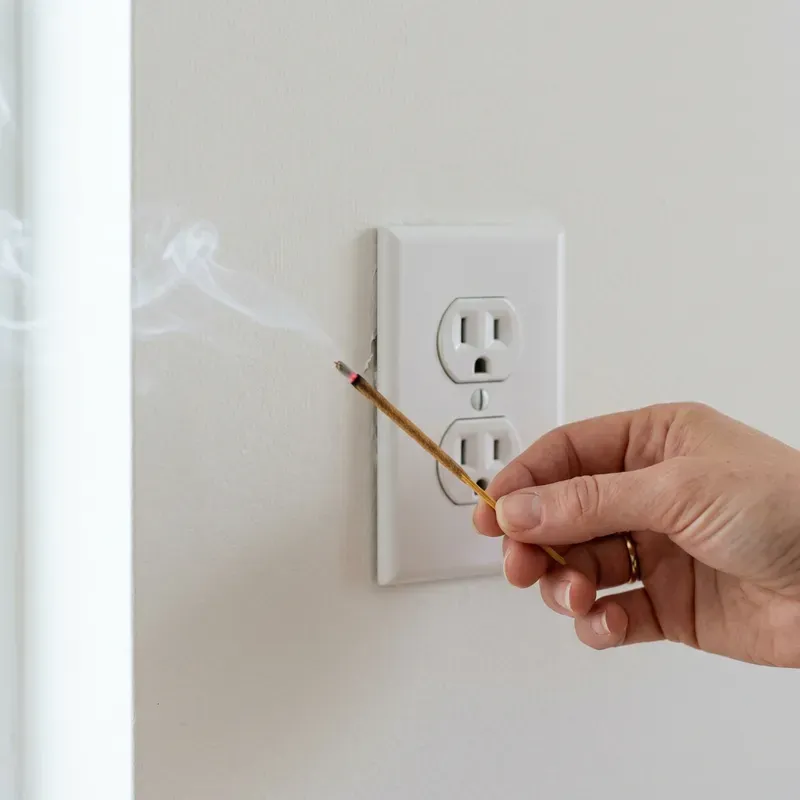 Drafts Around Outlets and Baseboards: How to Find and Fix Hidden Air LeaksLearn why cold air comes from outlets, switches, baseboards, and trim, plus safe renter-friendly ways to reduc...
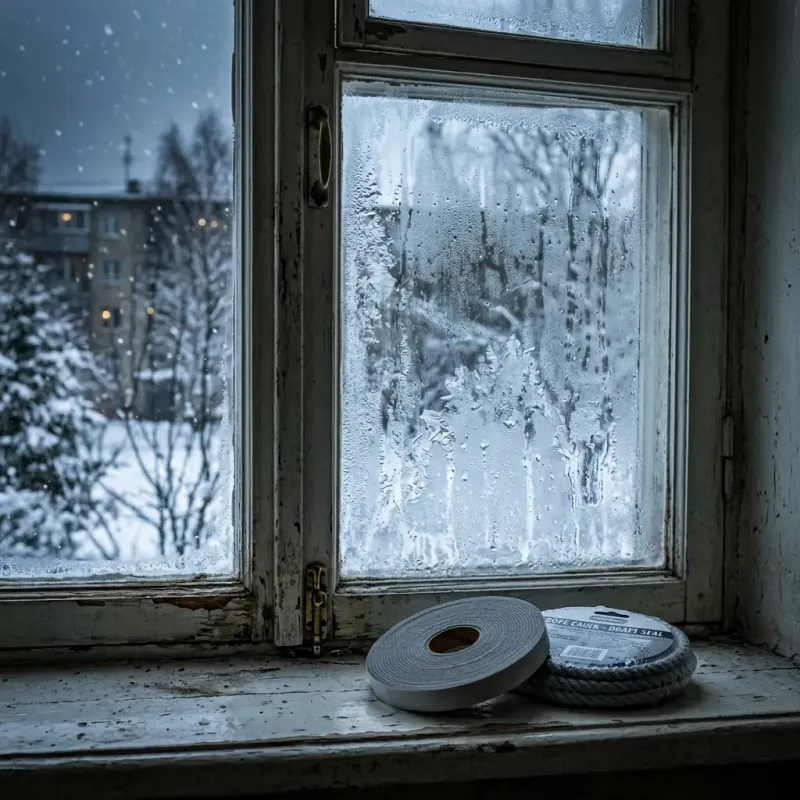 Drafty Windows: Causes and FixesLearn why windows feel drafty, how to tell air leaks from cold glass, and which fixes work for renters and hom...
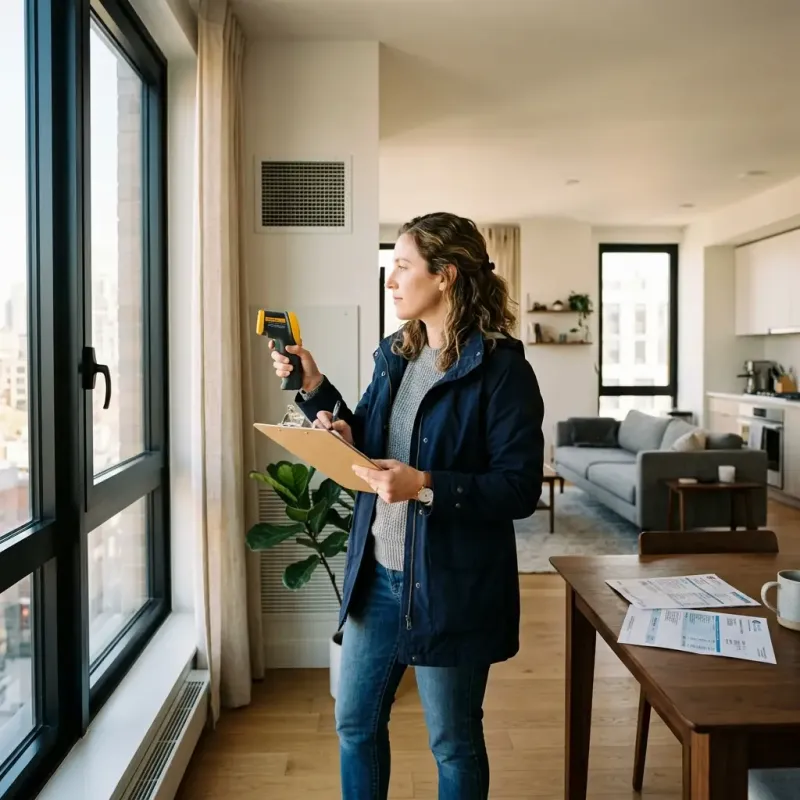 Energy Audit Checklist: A Practical Room-by-Room Guide to Finding Wasted EnergyUse this practical energy audit checklist to find drafts, HVAC waste, insulation weak points and electricity d...
 The Renter's Guide to Energy Efficient LightingSwitching to LEDs is one of the easiest energy wins in a rental. Learn which bulbs to buy, how much they actua...
FAQ
Why does my apartment lose heat so quickly?
Common causes include drafty windows, exterior walls, uninsulated floors or ceilings, blocked radiators, poor seals, and heat escaping into shared spaces.
What should I check before using a space heater?
Check drafts, curtains, radiator clearance, door gaps, thermostat schedule, and whether the heating system is working correctly.
When is heat loss a landlord issue?
Broken heating, failed windows, severe drafts, leaks, unsafe wiring, or code-level heating problems should be reported rather than solved with temporary products.