Cheapest Way to Insulate a Room: 10 Methods Under $50

The cheapest way to insulate a room with 10 methods under $50 each. Cover window film, rope caulk, draft stoppers, foam tape, thermal curtains, outlet gaskets, and rugs.
Key takeaways
- Sealing air leaks is the most cost-effective insulation method; window film, rope caulk, and foam tape cost under $15 each.
- Draft stoppers for doors and outlet gaskets for electrical boxes seal common leak points for under $10 each.
- Thermal curtains and rugs add passive insulation for under $50 and improve comfort immediately.
- Combining multiple low-cost methods is more effective than spending the same amount on one premium product.
- Renter-friendly options like removable caulk and window film work without permanent changes.
Cheap, removable insulation order
Spend first on the leaks you can feel: window film or rope caulk, door stopper, outlet gaskets on exterior walls, then a thick rug on slab or crawl-space floors. Do not expect a weekend kit to replace missing wall insulation. Track comfort and, if you pay utilities, one billing cycle — not a made-up percentage. Photograph everything for move-out.
Listed methods start with the cheapest and move up. Most can be combined for better results. None requires tools beyond scissors and a hairdryer (for window film).
Full method comparison
| Method | Cost | Time to install | Effectiveness | Renter-friendly |
|---|---|---|---|---|
| Window film kit | $8–$15 | 15 min per window | High | Yes |
| Rope caulk | $5–$8 | 5 min per window | Moderate | Yes |
| Draft stopper (door) | $8–$15 | 1 minute | High | Yes |
| Foam weatherstripping tape | $5–$10 | 10 min per window | Moderate | Yes |
| Thermal curtains | $20–$50 | 10 min per rod | High | Yes |
| Outlet gaskets | $3–$5 | 5 min per outlet | Moderate | Yes |
| Rug with pad | $25–$50 | 5 minutes | Moderate | Yes |
1. Window film kits — $8 to $15
Window film is the single cheapest way to insulate a room if you have drafty single-pane or older windows. The kit comes with a sheet of clear plastic film and double-sided tape. You apply the tape around the window frame, stick the film to it, then use a hairdryer to shrink the film tight. The result is an invisible layer of trapped air that acts as insulation and blocks drafts.
In my apartment, I applied window film to three drafty windows. The process took about 15 minutes per window. The room temperature at the window edge went from feeling noticeably drafty to completely still. The film is nearly invisible when installed correctly and comes off easily at the end of winter without residue. For under $10 per window, this is hard to beat.
2. Rope caulk — $5 to $8
Rope caulk is a soft, putty-like material that comes in a roll and can be pressed into gaps by hand. It is the cheapest insulation method on this list and one of the easiest. You simply pull off a piece, roll it into a thin rope, and press it into cracks around window sashes, between trim and walls, and at baseboard gaps.
I used rope caulk to seal the gaps around my windows where the sash met the frame. The old windows had a 1/8-inch gap all around that was letting in cold air. The rope caulk filled the gap completely and stayed in place all winter. It removed cleanly in the spring with no sticky residue. The only downside is it can look a bit messy if you use too much, so take your time and press it in neatly.
3. Door draft stoppers — $8 to $15
A door draft stopper is a fabric tube filled with foam, sand, or fiberfill that you place at the bottom of a door to block the gap underneath. The gap under an exterior door is often one-quarter to one-half inch, which is enough to let a significant amount of cold air into a room. A draft stopper is the fastest and cheapest fix for this problem.
I bought a basic fabric draft stopper for $10 and placed it at the front door of my apartment. The effect was immediate: the cold draft that had been sweeping across the floor near the door stopped completely. For bedrooms, a draft stopper at the door also helps keep warm air inside the room rather than leaking into the hallway.
4. Foam weatherstripping tape — $5 to $10
Foam weatherstripping tape is a roll of adhesive-backed foam that comes in various thicknesses. It is applied to the contact surfaces of window sashes and door frames to create a tight seal when closed. Unlike rope caulk, foam tape allows the window to still open and close, making it a better choice for windows you need to operate.
I used foam tape on the window that I still wanted to be able to open for fresh air on milder days. I applied the tape to the framing where the window sash meets the frame when closed. The foam compressed when the window was shut, creating an airtight seal. It held up through the whole winter and did not interfere with the window operation. Check the thickness carefully — too thin and it won’t seal, too thick and the window won’t close properly.
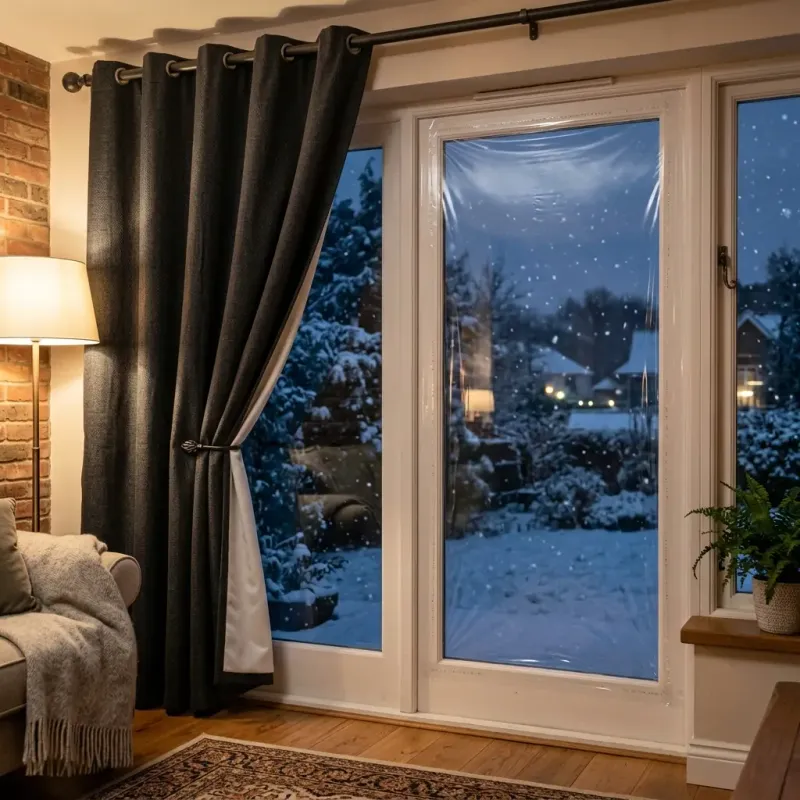
5. Thermal curtains — $20 to $50
Thermal curtains, also called insulated curtains, have a thick foam or thermal backing that adds a layer of insulation to windows. According to the U.S. Department of Energy, thermal curtains can reduce heat loss through windows by up to 25 percent. They also block drafts that leak through or around the window frame.
I bought a pair of thermal curtains for my large living room window for $35. The curtains are heavy and have a foam backing with a vapor barrier. I hung them as close to the window as possible, letting them extend past the window frame on all sides to trap air. The difference was noticeable the first night — the room held heat better and the area near the window no longer felt cold. Thermal curtains are also useful in summer for blocking heat, making them a year-round investment.
6. Outlet and switch plate gaskets — $3 to $5
Electrical outlets and switches on exterior walls are a surprisingly common source of cold air infiltration. The gap between the drywall and the electrical box allows cold air from inside the wall cavity to leak into the room. Outlet gaskets are pre-cut foam pads that fit behind the cover plate to seal this gap.
I installed outlet gaskets on every exterior wall outlet and switch in my apartment. The pack of 12 cost $4 and took about five minutes per outlet. You unscrew the cover plate, place the gasket over the outlet, and screw the plate back on. The draft from those outlets stopped immediately. For less than the cost of a coffee, this is one of the cheapest insulation improvements you can make.
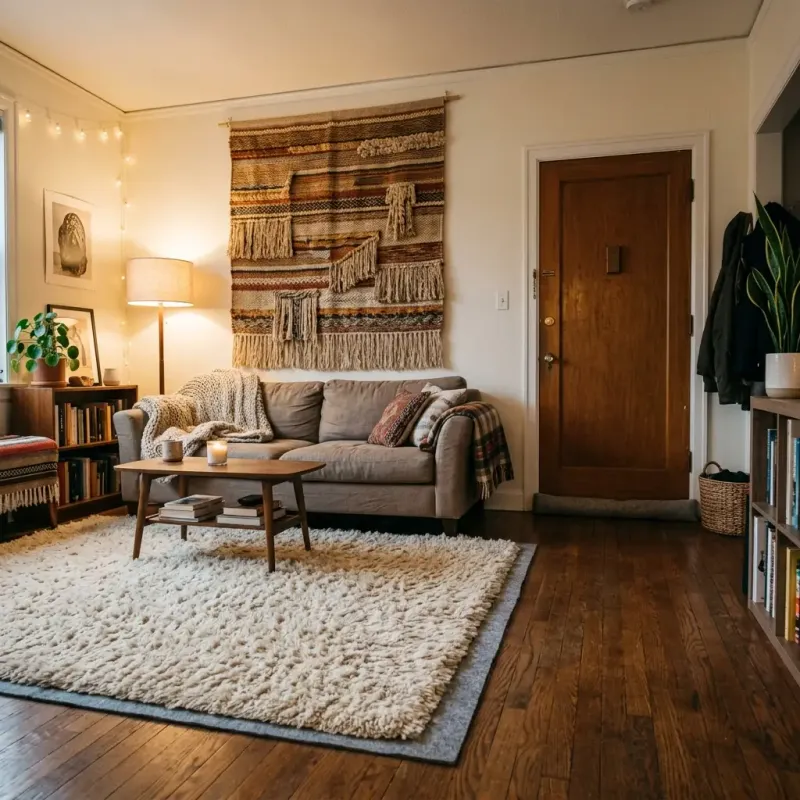
7. Rugs and carpet — $25 to $50
If your room has a cold floor over a concrete slab, crawl space, or garage, a rug with a thick pad adds insulation and makes the floor feel dramatically warmer. The rug does not stop heat loss entirely, but it eliminates the uncomfortable cold surface contact that makes you feel cold even when the air is warm.
I bought a 5x7 foot wool rug and a separate rubber carpet pad for about $45 total. I placed it over the coldest area of the floor near the exterior wall. Walking on carpet instead of bare floor felt at least 5°F warmer underfoot. For larger areas, look for dense low-pile rugs with thick pads. Even a simple runner in front of a sliding door or along a cold wall can help.
8–10. Three more under-$50 methods
8. Door weatherstripping kit ($10–$20): Adhesive foam or rubber strips applied around the door frame seal gaps when the door is closed. This is more permanent than a draft stopper and works on all sides of the door, not just the bottom.
9. Reflective radiator panels ($15–$25): If your room has radiators, placing reflective foil panels behind them reflects heat back into the room instead of letting it escape through the wall. These can be made from foil-covered foam board cut to size.
10. Plastic sheeting for large windows ($10–$20): For very large windows or sliding glass doors, larger rolls of plastic sheeting and double-sided tape can cover the entire opening. This works the same way as window film but for bigger areas. Use a stapler for a tighter seal if you are allowed to make small holes.
FAQ
Cheap that works
Draft stops and curtains usually beat exotic DIY panels in rentals. Spend on the leak you can feel.
Related guides
 Cold Room Checklist: 17 Things to Check Before You Spend MoneyA room-by-room checklist for cold rooms in house problems, including airflow, drafts, insulation clues, vents, doors, windows, and thermostat issues.Renter-Friendly Insulation: Safe Temporary UpgradesHow to insulate a rental apartment without losing your deposit. Covers window film, removable weatherstripping,...
 How to Keep a Room Warm Without a HeaterPractical ways to keep a room warm without a heater, including thermal curtains, draft blocking, rugs, body heat retention, and natural sunlight.
 Thermal Curtains vs. Window Film: Which Insulates Better?Compare thermal curtains and window film for cold rooms. Effectiveness, cost, ease of installation, and which one works best in winter.
Sources
About Emma Collins
Home comfort editor. Emma writes from rental living, room measurements, and public EPA / ENERGY STAR guidance — not as a licensed contractor, electrician, or medical professional.
Learn more about Emma ->