Cold Room Checklist: 17 Things to Check Before You Spend Money

A room-by-room checklist for cold rooms in house problems, including airflow, drafts, insulation clues, vents, doors, windows, and thermostat issues.
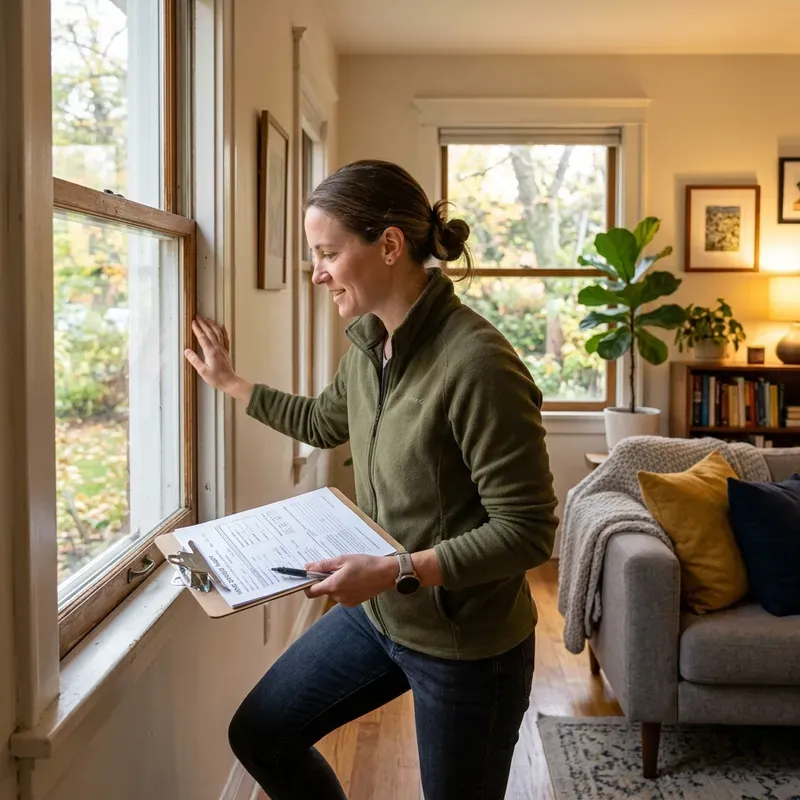
Key takeaways
- Check heat delivery first: open vents, radiator clearance, blocked registers, and closed-door airflow.
- Then look for heat loss at windows, doors, outlets, floors, exterior walls, and rooms over garages.
- Compare the cold room with a nearby comfortable room before buying equipment.
- Persistent cold with weak airflow, moisture, or unsafe heat needs qualified help.
I used this checklist in a friends apartment — here is what we found
When my friend asked me why her apartment living room was always cold, I showed up with a notebook, a thermometer, and a tissue. We went through every check in this list together. The vent was partially blocked by a sofa, the window had a 1mm gap at the sash, the door lacked a sweep, and the floor over the basement was uninsulated. Fixing all four things took about $45 and two hours. The room warmed by 5 °F.
Use this checklist in order. It starts with free observations, then moves to draft checks, surface clues, airflow, and problems that need qualified help.
Quick diagnosis table
| Symptom | Likely cause | First thing to check | Best first fix |
|---|---|---|---|
| Vent airflow | Room may not receive enough heated air | Compare with a warm room | Clear furniture and open register |
| Window edges | Air may leak at sash or trim | Use a tissue test | Weatherstrip, film, or curtains |
| Door undercut | Air may escape or enter too fast | Feel under the door | Draft stopper if airflow allows |
| Exterior walls | Room loses heat faster | Touch corners and wall surfaces | Add textiles and inspect insulation |
Step-by-step checks
Start with the free checks
Walk the room while heat is running. Compare vent airflow, window edges, floor temperature, outlets, baseboards, and the door gap before buying anything.
Take notes while the system is running. A cold room with weak vent airflow needs a different fix from a room with strong airflow but icy window edges.
Check blocked registers
Furniture, rugs, curtains, and storage can block supply or return airflow. Clear the path and compare the room again after the system runs.
Look for curtains over wall registers, rugs over floor registers, furniture tight to vents, and closed dampers. Recheck after one full heating cycle.
Inspect the room envelope
Cold baseboards, outlet drafts, window leaks, and chilly exterior walls point to heat loss rather than a thermostat problem.
Use your hand, tissue, or an infrared thermometer if you have one. A cold stripe at trim or outlets is a better clue than a general feeling of chill.
Compare seasons
If the same room is hot in summer and cold in winter, look closely at insulation, solar exposure, duct balance, and return airflow.
A room that is bad in both seasons often points to building envelope or airflow balance. A room that is only cold may point more toward heat delivery or winter drafts.
Low-cost fixes to try first
Use the least permanent fix that addresses the confirmed cause. That usually means clearing vents, sealing a specific draft, using curtains or window film, adjusting fan placement, measuring humidity, or documenting a maintenance issue. Avoid buying several products at once because you will not know which one helped.
Renter-friendly fixes
Good renter options include removable weatherstripping, rope caulk, window film, door draft stoppers, plug-in hygrometers, portable fans, rugs, curtain liners, and written maintenance requests. Keep receipts and photos, and avoid screws, permanent caulk, wiring changes, or anything that could affect the deposit unless the landlord approves it.
When to call a professional
Call a qualified professional or property manager if you see mold, water stains, electrical heat, broken windows, no HVAC airflow, unsafe heat, combustion appliance concerns, or a room that stays far outside the rest of the home after basic checks.
Mistakes to avoid
- Do not hide leaks, condensation, or mold with decor.
- Do not block supply or return vents.
- Do not caulk moving window parts shut.
- Do not use permanent fixes in a rental without permission.
FAQ
What is the first thing to check in a cold room?
Check vent airflow and blocked registers first because they are fast and free.
Why are some rooms colder than others?
Rooms differ by duct length, window exposure, exterior walls, insulation, and air return paths.
Can rugs help a cold room?
Yes, rugs can improve comfort over slabs, basements, garages, and other cold floors.
Is a space heater the answer?
It can be temporary, but it should not replace fixing drafts, airflow, or insulation problems.
When should I call an HVAC pro?
Call if a vent has little airflow or the room remains far colder after basic checks.
Field notes: Cold Room Checklist: 17 Things to Check Before You Spend Money
This section adds the decision detail most short guides skip: what to measure, what to try first in a real flat, and when to stop and escalate. It is written for apartments and rentals where permanent renovation is not an option.
Warmth without guessing
Separate three problems: moving cold air (drafts), cold surfaces (glass/floor), and weak heat delivery (blocked radiators/vents). Raising the thermostat cannot fix a blocked panel or a tilted window left open all winter.
Measure at seating height in the room center, same time for three days. Compare to the hallway. A large gap with a hot radiator means loss elsewhere; a lukewarm radiator means delivery/balance/air issues.
| Symptom | Check first | Renter-safe move |
|---|---|---|
| Cold ankles, warm chest | Door/window drafts | Sweep + weatherstrip tests |
| Hot panel, cold room | Furniture/curtains blocking | Clear 10–15 cm face |
| Cold top of radiator | Trapped air | Bleed only if allowed |
| Cold floor | Uninsulated slab/crawl | Rug + pad |
Lease-safe boundaries
Photograph anything you change. Prefer screw-free or fully reversible products on painted surfaces. Ask in writing before altering entry doors, fire doors, or shared building components. Stop for gas smells, electrical faults, active leaks, or large mold — those are not DIY content problems.
When this page is not enough
If symptoms stay extreme after basic checks — room far outside the rest of the home, water damage, combustion appliance concerns, breaker trips — document conditions and contact a qualified professional or building management. Dwell Calm is informational, not a substitute for HVAC, electrical, mold, or legal advice.
Seventeen checks, one change
Walk the list, but apply one fix per day. The checklist is a map, not a shopping spree.
Extra practical detail: cold room checklist
Treat this guide as a field procedure: observe, change one thing, wait, and record outdoor conditions. If the whole flat fails the same way, escalate to building maintenance with measurements. If only one room fails, stay local — drafts, glass, vents, or moisture at that room’s surfaces.
Keep fixes reversible in rentals. Stop for gas, electrical, flooding, or large mold issues and get qualified help.
Related guides
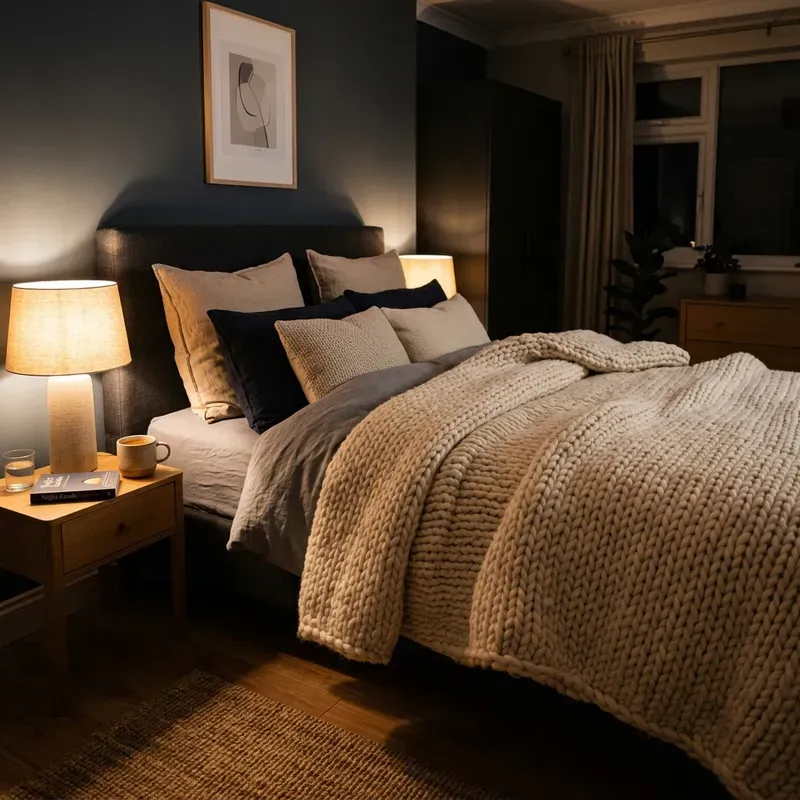 Why Is My Bedroom So Cold at Night?A practical guide to why a bedroom gets cold at night, including drafts, airflow, exterior walls, cold floors,...
 Why Is My Living Room So Cold?Why a living room feels cold, including drafts, large windows, exterior walls, fireplaces, poor airflow, and p...
 Why Is My Room So Hot Upstairs? Real Causes and FixesUpstairs rooms often feel much hotter because of attic heat, stacked warm air and weak cooling delivery. Learn...
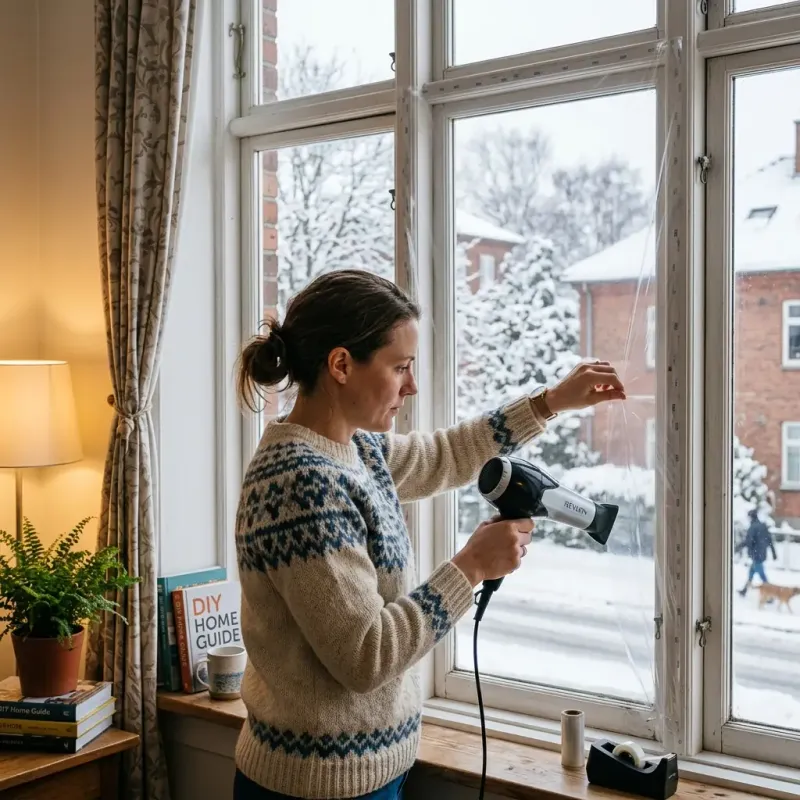 The Ultimate Winter Draft-Proofing Guide for RentersUse this winter draft-proofing guide to seal your apartment step by step without losing your deposit. Focus on...
Sources
About Emma Collins
Home comfort editor and home wellness advocate with 10 years helping families create calm, functional spaces. Emma created Dwell Calm to share practical, renter-friendly home comfort advice.
Learn more about Emma ->