Drafts & Windows
The Ultimate Winter Draft-Proofing Guide for Renters

Use this winter draft-proofing guide to seal your apartment step by step without losing your deposit. Focus on front doors, windows, outlets and other common leaks that make rooms freezing.
Key takeaways
- Find drafts on a windy day before sealing.
- Prioritize doors and windows you use daily.
- Keep combustion appliance ventilation requirements intact.
- Removable winter kits beat permanent mistakes in rentals.
What to check first
- Incense or hand test around frames.
- Letterbox / apartment entry door gap.
- Attic hatch if present.
- Outlet drafts on exterior walls.
Dwell Calm tip
Sealing the letterbox flap and the bottom of the entry door stopped the hallway howl that no bedroom curtain could fix.
When to get help
Gas appliance flues and required vents are not optional DIY removals.
Winter draft order of operations
- Detect on a windy day.
- Seal big movers (doors).
- Window weatherstripping where sashes move.
- Soft treatments (curtains) for radiant cold.
Safety note
If you smell gas or have fuel-burning heaters, prioritize safety equipment and professional checks over airtightness hobbies.
Spring reverse
Remove seasonal film and check adhesives before summer heat. Removable is a feature.
Room-by-room winter draft checklist
Work one room at a time so you can feel the difference. Start with the room where you sleep, then the entry door, then the living area with the largest glass.
Entry door
Look for light under the door, a loose letterbox, and gaps at the latch side. A sweep or adhesive bottom seal stops the “hallway wind tunnel” that no curtain can fix. If the door is a fire door, ask maintenance before drilling.
Windows
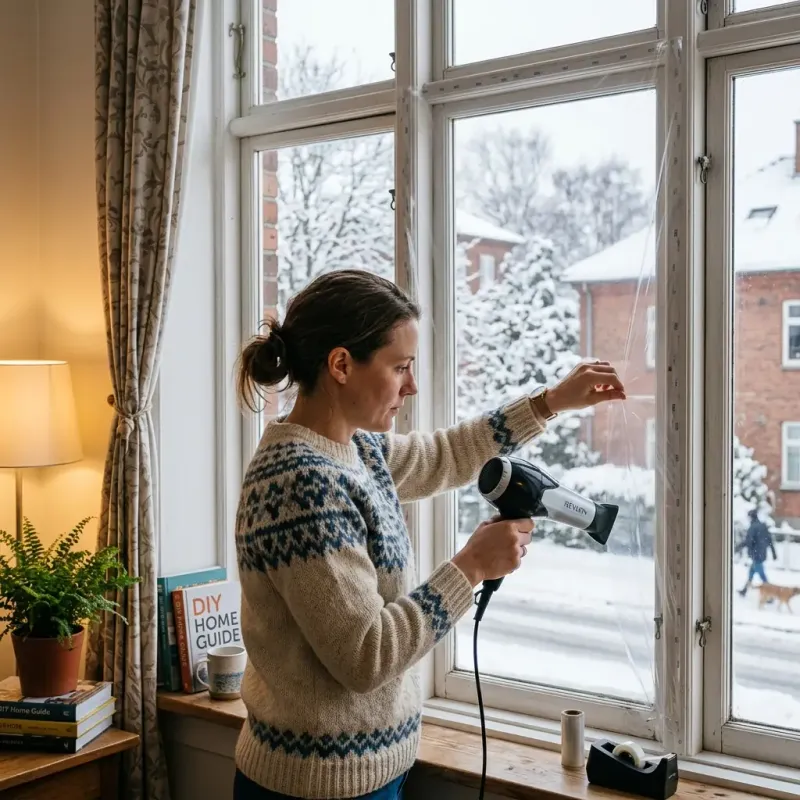
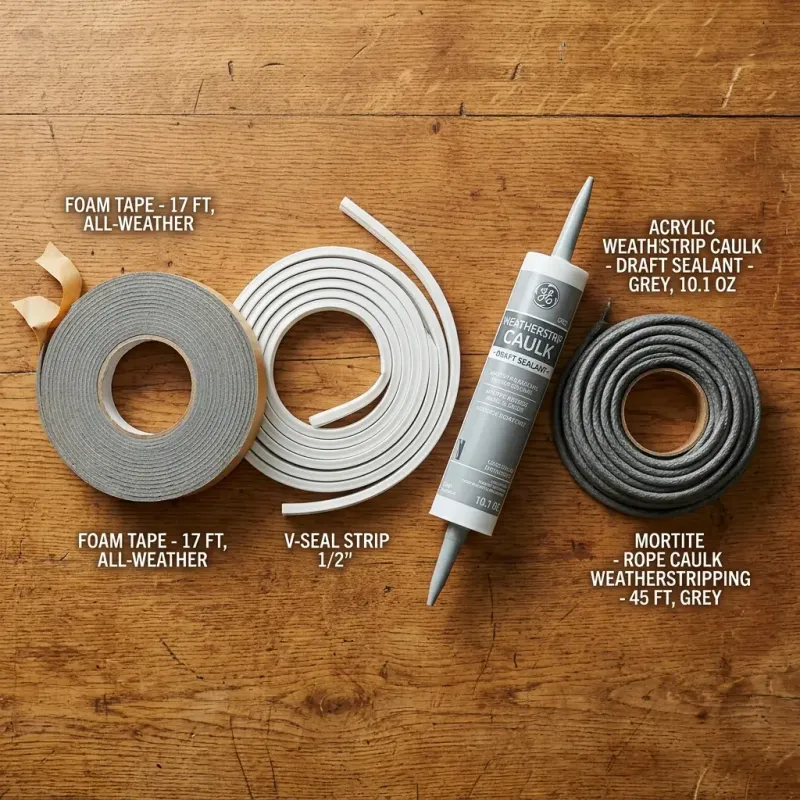
On a windy day, run a stick of incense or the back of your hand around the sash. Moving parts want weatherstripping; fixed trim gaps want removable rope caulk or a careful bead if your lease allows. Seasonal interior film kits help single glazing without permanent damage when removed in spring.
Outlets and baseboards on exterior walls
Switch off power at the breaker before removing cover plates. Foam gaskets are cheap and reversible. Baseboard gaps can take removable sealant; do not stuff insulation into electrical boxes.
Moisture warning
Sealing every crack while drying laundry indoors and skipping bath fans raises condensation. Pair sealing with short purposeful ventilation, especially after showers.
| Leak | Renter-safe fix | Skip |
|---|---|---|
| Door bottom | Sweep / adhesive seal | Cutting fire doors |
| Window sash | V-seal / foam tape | Nailing frames shut |
| Outlet drafts | Foam gasket | Stuffing boxes with scraps |
| Letterbox | Brush flap | Permanent glue mess |
Practical next steps
Test one change at a time and give the room a few hours before judging results. Note outdoor weather, time of day, and whether doors or windows were open. That simple record prevents wasted purchases and gives clearer information if you need a landlord or technician.
Prefer reversible, lease-safe fixes first. Stop and get qualified help for gas smells, electrical faults, active leaks, large mold areas, or equipment that should not be opened by tenants.
For related checks, use the draft, humidity, and room-diagnosis guides on Dwell Calm rather than stacking random gadgets in the same afternoon.
Entry door first
In most rentals the hallway howl at the entry door steals more comfort than any single bedroom window. Sweep + letterbox brush before you film every pane.
More detail you can use today
Entry door first, then windward windows. Keep combustion air paths open. Remove seasonal kits in spring.
If a product fights your windows, doors, or lease rules, remove it. A stuck sash or scraped fire door is a worse outcome than a small leftover draft. Prefer reversible kits and keep packaging until you know the fix earned its keep.
When comfort finally stabilizes, stop adding layers. Extra gadgets after the problem is solved mostly add clutter and energy use.
Share what worked with your household so people do not reopen tilted windows or block the radiator you just cleared. Consistency keeps the win.
Related guides
 How to Cool Down an Apartment Without ACRenter-friendly ways to cool an apartment without AC, reduce heat gain, improve airflow, and make hot rooms mo...
 How to Dehumidify an Apartment Without Making It Feel StalePractical ways to lower apartment humidity, reduce damp air, prevent condensation, and improve ventilation wit...
 How to Fix Drafty Windows in a Rental Without Permanent ChangesRenter-friendly fixes for drafty apartment windows, including window film, removable caulk, curtains, weathers...
 How to Improve Airflow in a BedroomImprove bedroom airflow with practical checks for vents, return paths, fans, furniture placement, door gaps, w...
FAQ
What should I draft-proof first in winter?
Start with the biggest obvious leaks: exterior doors, window edges, attic hatches, outlets on exterior walls, and gaps at baseboards.
Can temporary fixes really help?
Yes, especially when they stop moving air. Removable weatherstripping, film, curtains, and door sweeps can improve comfort quickly.
What should I avoid sealing?
Do not seal wet areas, moldy trim, combustion appliance air paths, vents, or electrical problems without qualified guidance.
Sources
About Emma Collins
Home comfort editor. Emma writes from rental living, room measurements, and public EPA / ENERGY STAR guidance — not as a licensed contractor, electrician, or medical professional.
Learn more about Emma ->