Why Is My Bedroom So Cold at Night?
A practical guide to why a bedroom gets cold at night, including drafts, airflow, exterior walls, cold floors, and renter-friendly fixes.
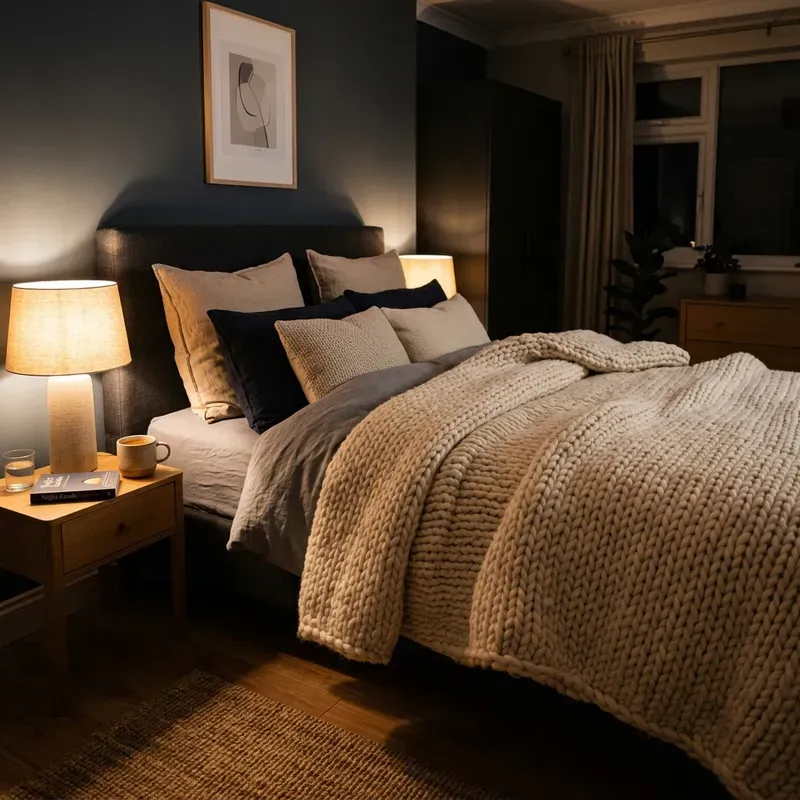
Key takeaways
- Check vent airflow while the heat is running, not when the system is off.
- Drafty windows and cold exterior walls are common bedroom problems at night.
- A closed bedroom door can block return airflow and make the room cool down faster.
- Rugs, removable film, outlet gaskets, and door draft stoppers are good renter-first fixes.
A one-change-at-a-time bedroom test
Measure the bedroom and hallway at the same height after the heating system has completed a normal cycle. Then test one variable per night: clear the supply vent, move furniture away from the return-air path, check window edges for moving air, and compare the room with the door open and closed. Record the same two temperatures each time. This sequence separates an airflow problem from a window or envelope problem without attributing normal weather changes to the last product installed.
Diagnosis table
| Symptom | Likely cause | First check | Easy fix |
|---|---|---|---|
| Cold near the window | Drafty sash or cold glass | Move a tissue around the sash and trim | Use removable film, rope caulk, or lined curtains |
| Room warms slowly | Weak supply airflow | Compare the bedroom vent with a warmer room | Clear the register and check the filter |
| Cold after closing the door | Poor return-air path | Run heat once with the door open and once closed | Improve return path if allowed |
| Cold floor | Garage, crawl space, slab, or weak floor insulation | Compare floor temperature near interior and exterior walls | Use a dense rug and seal baseboard gaps |
Check airflow first
Turn the heat on and feel the bedroom supply vent. A weak stream compared with other rooms points to airflow, not just insulation.
Move furniture, curtains, storage bins, and rugs away from supply and return vents. If airflow improves, keep the path open for a full heating cycle.
Look for drafts around windows and walls
At night, colder outdoor air makes window leaks easier to feel. Run your hand or a tissue around the sash, lock rail, sill, trim, outlets on exterior walls, and baseboards.
If only one corner leaks, seal that exact spot instead of covering the whole room with random fixes.
Check the door and return-air path
Many bedrooms receive warm air from a supply vent but rely on the door undercut or hallway return to let air leave. If the door is tight, warm air may stop entering properly.
Compare the room after 30 minutes with the door open and then closed. A big difference means airflow balance matters.
Deal with cold floors and exterior walls
Rooms above garages, porches, basements, or slabs often have cold floors. A rug will not replace insulation, but it can make the room feel much warmer underfoot.
Avoid putting the bed directly against a cold exterior wall if another layout works. Even a few inches of air space can reduce the cold surface feeling.
A 15-minute cold bedroom check
Start with the room as you normally use it at night: door position, curtains closed, bedding in place, and heat running. Then compare the bedroom with a nearby comfortable room instead of judging it by memory.
- Put a thermometer in the bedroom and another in the hallway or a warmer room.
- Feel the supply vent while the heat is actively running, then compare it with a stronger vent.
- Move curtains, beds, hampers, and rugs away from the vent and retest airflow.
- Run a tissue around the window sash, trim, outlets on exterior walls, and baseboards.
- Check whether the room changes after 30 minutes with the door open.
- Stand barefoot near the bed, window, and interior wall to find the coldest surface.
If one test clearly changes the room, fix that first. If every test shows a small problem, combine low-cost fixes: open airflow, seal the worst draft, add a rug, and keep cold glass covered at night.
Bedroom layout changes that help
Layout can make a cold room feel worse. Beds against exterior walls, long curtains over vents, and tall furniture in front of returns can all make a normal heating problem feel like a broken system.
Try moving the bed away from the coldest wall, leaving the supply vent fully open, and keeping a clear path from the door to the vent. These changes are not dramatic, but they are free and often enough to make a borderline bedroom feel acceptable.
Renter-friendly fixes
- Use removable window film in winter if the sash leaks.
- Add a door draft stopper only if it does not block needed HVAC return air.
- Use outlet gaskets on exterior-wall outlets.
- Put a dense rug beside the bed or over the coldest floor area.
- Document broken windows, missing weatherstripping, or non-working vents for the landlord.
Mistakes to avoid
- Do not use a space heater with extension cords or under bedding.
- Do not close several vents elsewhere to force heat into one bedroom.
- Do not seal a window shut if it is needed for emergency exit.
- Do not ignore mold, moisture stains, or condensation behind curtains.
When to call a professional
Call an HVAC or insulation professional if the bedroom is more than 5 to 7 degrees colder than nearby rooms, the vent has almost no airflow, the room is over a garage, or you suspect a disconnected duct.
FAQ
Why is my bedroom colder than the rest of the house?
The most common causes are weak airflow, drafty windows, exterior walls, cold floors, and poor return-air circulation.
Why does my room get cold when the door is closed?
The room may not have enough return airflow. Warm supply air cannot enter well if air cannot leave.
Do thermal curtains fix a cold bedroom?
They help near cold glass, but they do not fix weak vent airflow, duct leaks, or missing insulation.
What is the cheapest fix to try first?
Clear the vent, seal obvious window leaks, add a rug, and test the room with the door open.
When is it an HVAC problem?
If the vent airflow is very weak compared with other rooms or the room never catches up after basic fixes, HVAC balancing or duct inspection may be needed.
Night setback trap
Thermostats in warm halls cut heat while exterior bedrooms plunge. Measure the bedroom, not the hall, before you “just raise the setpoint.”
Related guides
 Why Is My Living Room So Cold?Why a living room feels cold, including drafts, large windows, exterior walls, fireplaces, poor airflow, and p...
 Why Is My Room So Hot Upstairs? Real Causes and FixesUpstairs rooms often feel much hotter because of attic heat, stacked warm air and weak cooling delivery. Learn...
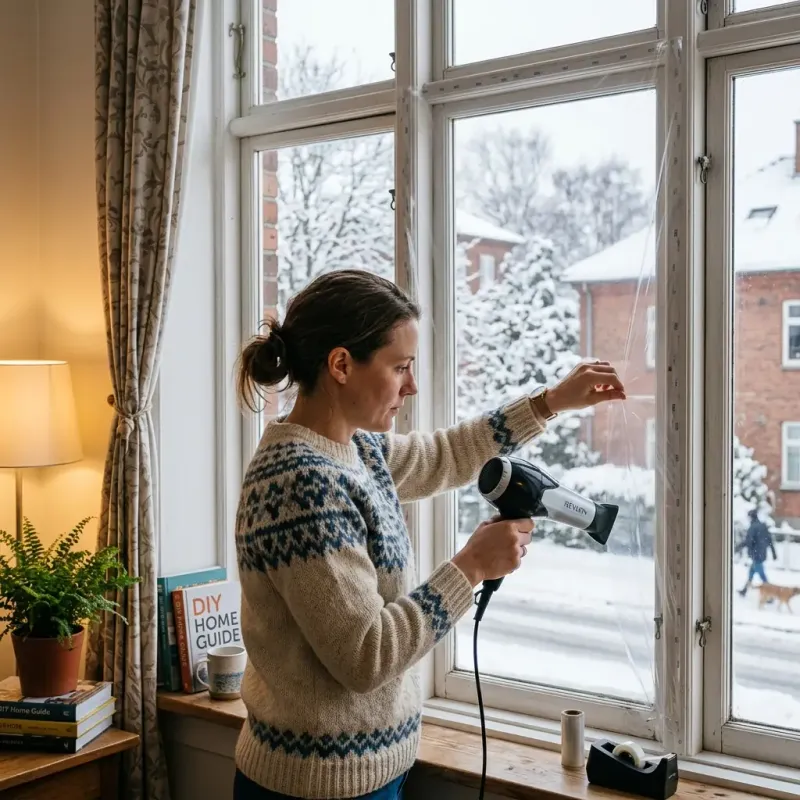 The Ultimate Winter Draft-Proofing Guide for RentersUse this winter draft-proofing guide to seal your apartment step by step without losing your deposit. Focus on...
 How to Dehumidify an Apartment: What Actually Works With or Without a DehumidifierNeed to dehumidify an apartment? Learn how to lower humidity with source control, ventilation, AC, dehumidifie...