Dehumidifier: Windows Open or Closed?

Should windows be open or closed when using a dehumidifier? Learn what works for apartments, humid rooms, bathrooms, and musty air.

Key takeaways
- Run a dehumidifier with exterior windows and doors closed in most normal damp-room cases.
- Open windows only when outdoor air is drier or when short ventilation is needed for odors or fumes.
- If humidity keeps rising, look for moisture sources instead of blaming the machine first.
- Persistent dampness, leaks, or musty smells need source control.
Use this guide to decide whether the room needs drying, airing, or source control. The right answer depends on indoor humidity, outdoor dew point, and where the moisture is coming from.
Quick diagnosis table
| Symptom | Likely cause | First thing to check | Best first fix |
|---|---|---|---|
| Outdoor air is humid | Open windows add moisture | Compare indoor and outdoor conditions | Keep windows closed |
| Outdoor air is cool and dry | Fresh dry air may lower humidity | Ventilate briefly and measure | Short airing can help |
| Bathroom after shower | Moisture source is local | Use exhaust fan first | Then dehumidify if needed |
| Musty apartment | Source may be hidden moisture | Check leaks and windows | Closed while dehumidifying |
Step-by-step checks
Why closed windows usually work better
A dehumidifier removes moisture from the air inside the room. If windows are open during humid weather, the unit keeps pulling moisture from outside and may run constantly.
Check your hygrometer after 30 to 60 minutes with windows closed. If the number falls, the dehumidifier is working and open windows would only make the job harder.
When opening windows helps
If outdoor air is genuinely drier, brief ventilation can lower humidity and stale air. Check weather humidity, dew point if available, and your indoor hygrometer.
Brief ventilation can help after cooking, cleaning, or odors, but compare indoor and outdoor conditions first. Cool rainy air can still carry plenty of moisture.
Apartment humidity basics
In apartments, humidity often comes from showers, cooking, drying clothes, poor exhaust fans, and leaks. A dehumidifier helps symptoms, but source control matters.
If the tank fills quickly every day, look beyond the machine: shower habits, laundry drying, leaks, wet windows, and weak exhaust fans usually matter more than the dehumidifier setting.
Dehumidifier vs fan vs open window
A fan moves air but does not remove moisture. An open window helps only if outside air is drier. A dehumidifier actually removes water from indoor air.
Use a fan for circulation, a window for air exchange when outdoor air is suitable, and a dehumidifier for actual moisture removal. Mixing them blindly often wastes electricity.
Low-cost fixes to try first
Use the least permanent fix that addresses the confirmed cause. That usually means clearing vents, sealing a specific draft, using curtains or window film, adjusting fan placement, measuring humidity, or documenting a maintenance issue. Avoid buying several products at once because you will not know which one helped.
Renter-friendly fixes
Good renter options include removable weatherstripping, rope caulk, window film, door draft stoppers, plug-in hygrometers, portable fans, rugs, curtain liners, and written maintenance requests. Keep receipts and photos, and avoid screws, permanent caulk, wiring changes, or anything that could affect the deposit unless the landlord approves it.
When to call a professional
Call a qualified professional or property manager if you see mold, water stains, electrical heat, broken windows, no HVAC airflow, unsafe heat, combustion appliance concerns, or a room that stays far outside the rest of the home after basic checks.
Mistakes to avoid
- Do not hide leaks, condensation, or mold with decor.
- Do not block supply or return vents.
- Do not caulk moving window parts shut.
- Do not use permanent fixes in a rental without permission.
FAQ
Should windows be open with a dehumidifier?
Usually no. Keep windows closed unless outdoor air is drier.
Can a fan dehumidify a room?
No. A fan moves air but does not remove moisture.
How long should a dehumidifier run?
Run it until the room reaches your target humidity, often 40% to 50%.
What humidity is too high?
Persistent readings above 60% are a warning sign.
Can I dehumidify without a dehumidifier?
You can reduce moisture with exhaust fans, covered pots, shorter showers, and better ventilation, but high humidity may still need a dehumidifier.
My experience running a dehumidifier with windows
I made the mistake of opening a window while the dehumidifier ran on a humid day. The unit never reached target and ran nonstop. Closing up and using the bath fan for short bursts worked better.
Field notes: Dehumidifier: Windows Open or Closed?
This section adds the decision detail most short guides skip: what to measure, what to try first in a real flat, and when to stop and escalate. It is written for apartments and rentals where permanent renovation is not an option.
Draft testing protocol that avoids wasted seals
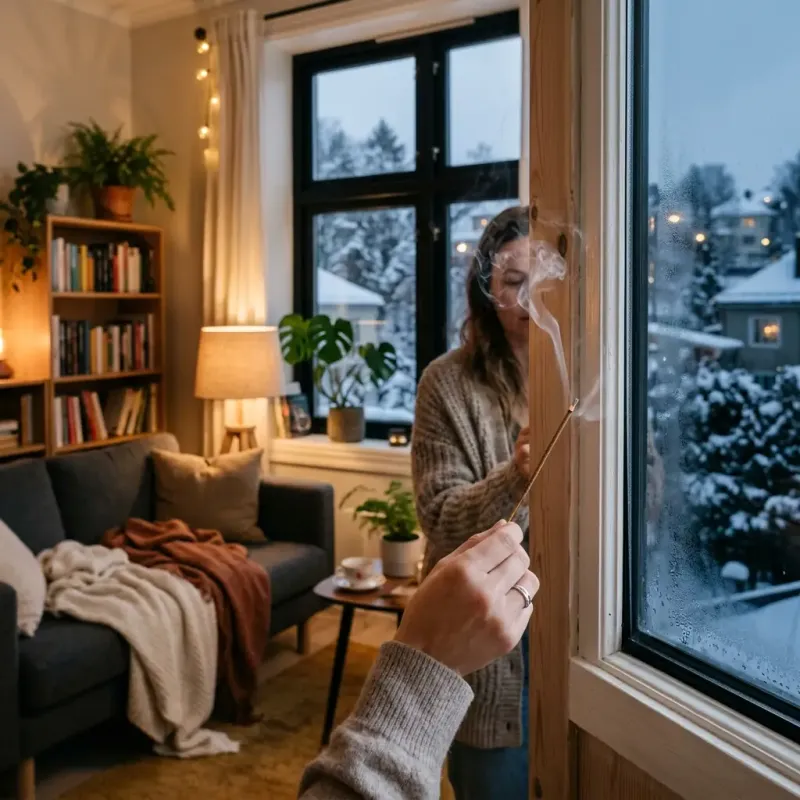
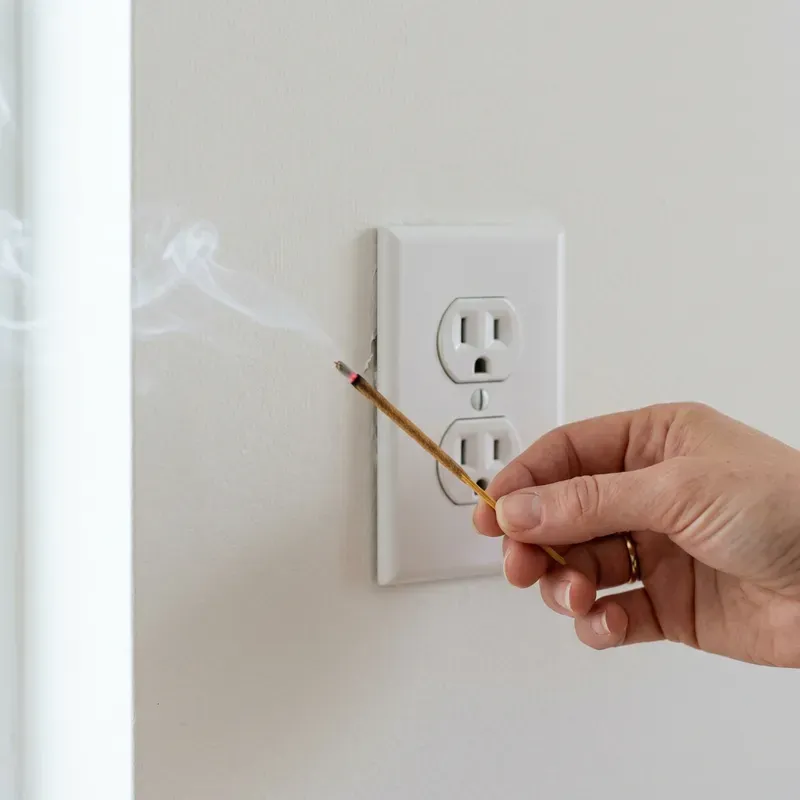
Do this on a windy day with heating on: darken the room, look for light under doors, then walk the frame with the back of your hand or a stick of incense. Mark only the spots that move air. Sealing “everything” without a map creates sticky windows and higher condensation without fixing the leak that actually freezes your ankles.
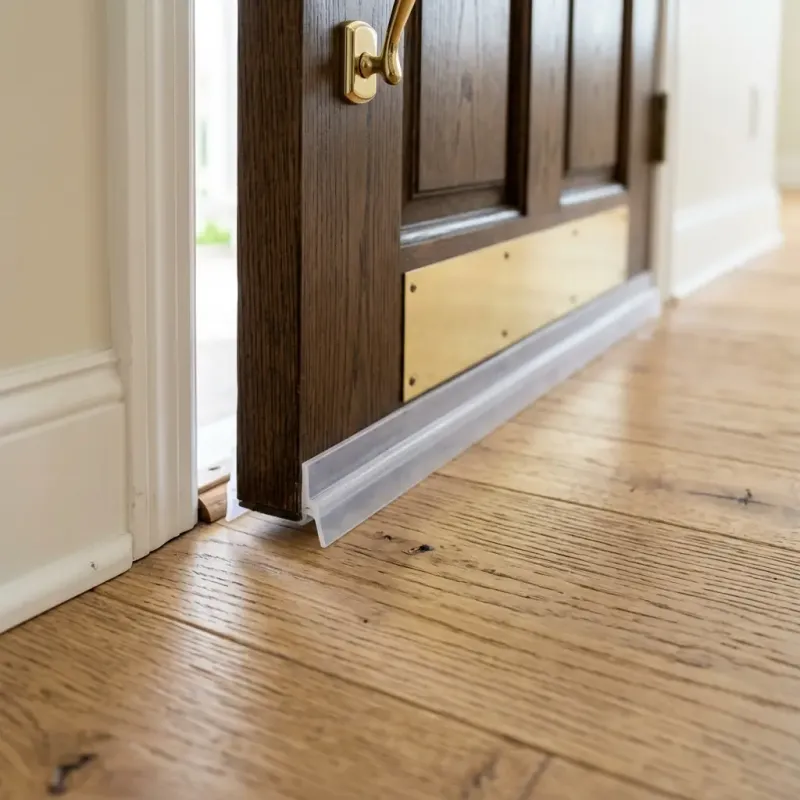
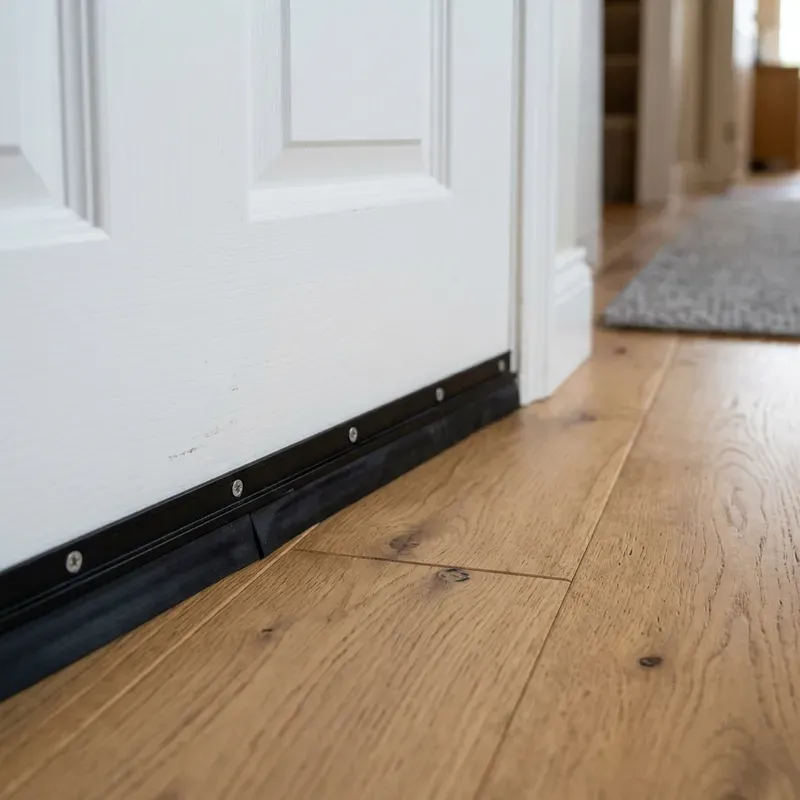
For rentals, prefer removable products first: door sweeps, V-seal, rope caulk, outlet gaskets. Photograph the before state for move-out. If a product fights the sash or latch, remove it the same day — a jammed window is worse than a small draft.
| Location | First reversible fix | Escalate when |
|---|---|---|
| Door bottom | Sweep / slide-on seal | Warped door / fire door rules |
| Window sash | V-seal / foam (correct thickness) | Rot, failed IGU, water intrusion |
| Exterior-wall outlets | Foam gasket (power off) | Sparks, warm plates, aluminum wiring concerns |
| Letterbox / hatch | Brush flap / weather seal | Building forbids alterations |
Lease-safe boundaries
Photograph anything you change. Prefer screw-free or fully reversible products on painted surfaces. Ask in writing before altering entry doors, fire doors, or shared building components. Stop for gas smells, electrical faults, active leaks, or large mold — those are not DIY content problems.
When this page is not enough
If symptoms stay extreme after basic checks — room far outside the rest of the home, water damage, combustion appliance concerns, breaker trips — document conditions and contact a qualified professional or building management. Dwell Calm is informational, not a substitute for HVAC, electrical, mold, or legal advice.
Closed wins in humid weather
Open windows while dehumidifying outdoor-humid air is fighting yourself. Close the room, run the unit, then air briefly if needed when outdoor air is drier.
Extra practical detail: dehumidifier windows open or closed
Treat this guide as a field procedure: observe, change one thing, wait, and record outdoor conditions. If the whole flat fails the same way, escalate to building maintenance with measurements. If only one room fails, stay local — drafts, glass, vents, or moisture at that room’s surfaces.
Keep fixes reversible in rentals. Stop for gas, electrical, flooding, or large mold issues and get qualified help.
Related guides
 How to Find Drafts in Your House: Simple Tests That Actually WorkFind drafts around windows, doors, outlets, baseboards, attic hatches, and basement areas using simple tests, ...
 Door Sweep vs Under-Door Seal: Which Draft Stopper Should You Buy?Door sweep vs under-door seal vs draft stopper: learn which one works best for hallway drafts, carpeted floors...
 Door Sweep vs Door Seal: Which One Stops Drafts Better?Compare door sweeps, door seals, door bottoms, under-door seals, and draft stoppers so you can fix cold air un...
 Draft Detector Tests: How to Find Where Cold Air Is Coming FromSimple draft detector tests for windows, doors, outlets, baseboards, attic hatches, and crawl space edges usin...
Sources
About Emma Collins
Home comfort editor and home wellness advocate with 10 years helping families create calm, functional spaces. Emma created Dwell Calm to share practical, renter-friendly home comfort advice.
Learn more about Emma ->