Drafts & Windows
Door Sweep vs Under-Door Seal: Which Draft Stopper Should You Buy?

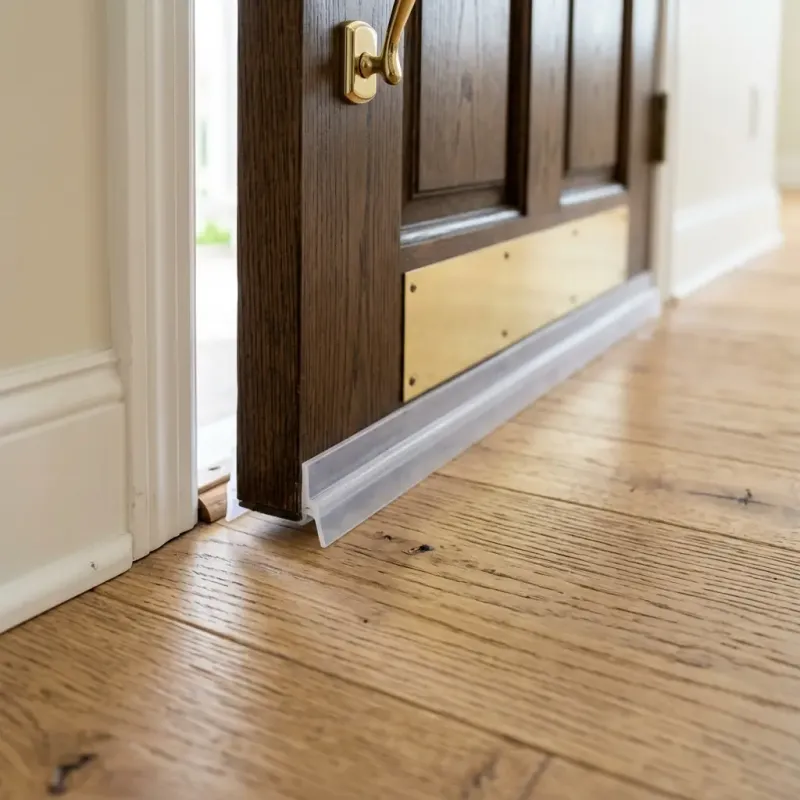
Door sweep vs under-door seal vs draft stopper: learn which one works best for hallway drafts, carpeted floors, rentals and older doors, plus what to avoid if you do not want to damage paint.
Key takeaways
- Start with the symptom you can observe instead of buying a product first.
- Measure or compare the room when possible: temperature, humidity, airflow, or visible drafts.
- Use reversible, low-cost fixes first if you rent or are not sure what is causing the problem.
- Call a qualified professional for persistent HVAC, mold, electrical, structural, or moisture problems.
What to check first
- Write down when the problem happens: morning, afternoon, night, rainy days, heating cycles, or cooling cycles.
- Compare the affected room with a nearby comfortable room.
- Check windows, doors, vents, fans, humidity readings, and obvious moisture or safety signs.
- Try one low-risk change at a time so you know what actually helped.
Dwell Calm tip
If the issue changes when a door is open, a fan runs, curtains are closed, or weather changes, the cause is probably airflow, surface temperature, humidity, or drafts rather than one single product failure.
When to get help
Get professional help if you see mold growth, repeated condensation that does not improve, electrical issues, combustion-appliance concerns, damaged ducts, water leaks, or a room that remains far outside the rest of the home after basic checks.
Practical draft checks before sealing
Draft fixes work best when you identify whether air is moving through a joint, around trim, below a door, through an outlet area, or from a larger building gap. A cold surface is not always an air leak. Cold glass can feel drafty because air cools against it and drops, even when the window is closed well.
| Check | What it tells you | Low-risk first move |
|---|---|---|
| Tissue test | Shows moving air at a small gap | Test sash, trim, doors, and baseboards |
| Paper test at doors | Shows weak compression or poor contact | Check sweep and weatherstrip fit |
| Cold glass without movement | Suggests surface temperature, not a leak | Use curtains or window film appropriately |
| Outlet or baseboard draft | Suggests wall or floor air movement | Use safe gaskets or document for repair |
Renter note
Use reversible fixes first: removable weatherstripping, rope caulk where allowed, draft stoppers, curtains, rugs, and outlet gaskets. Avoid permanent caulk, drilling, or altering doors without permission.
When not to DIY
Do not seal around wet frames, rotten wood, electrical problems, combustion appliances, or unknown wall cavities without advice. The wrong seal can trap moisture or create safety problems.
A simple decision path
Use this order when a room feels drafty. First, confirm whether air is actually moving. A tissue or incense test can separate a real leak from cold glass. Second, identify whether the gap moves or stays fixed. Moving parts usually need weatherstripping; fixed trim gaps usually need caulk or another fixed seal. Third, decide whether the fix must be renter-friendly.
Window film, curtains, door snakes, outlet gaskets, and removable weatherstripping can all help, but they solve different problems. Film can reduce seasonal leaks or solar gain depending on product type. Curtains improve comfort near cold glass. Caulk seals fixed cracks. Weatherstripping seals parts that open and close. Mixing those up is why many draft fixes disappoint.
What a useful fix should change
A good draft fix should make the tissue test calmer, reduce the cold line near trim, stop a door-bottom leak, or make the room hold temperature longer after heating or cooling shuts off. If the room still changes quickly, check floors, outlets, attic hatches, and exterior-wall corners next.
Before you move on
Make one change at a time and give the room enough time to respond. If you seal a draft, move a fan, change curtain habits, or adjust ventilation all at once, it becomes hard to know which step actually helped. Take a quick note of the room condition before and after: temperature, humidity, time of day, weather, and whether doors or windows were open.
This simple record is useful for two reasons. It prevents wasted purchases, and it gives you better evidence if the problem needs a landlord, HVAC technician, electrician, insulation contractor, or mold professional. Comfort problems are easier to solve when the pattern is clear.
Related guides
 Room Too Hot? Avoid These Common Cooling MistakesWhen your room is too hot, the wrong moves make things worse. Learn why closing vents, misusing fans and buyin...
 Stuffy Room? Signs of Stagnant Air and Poor VentilationA stuffy room often points to poor air distribution, weak return airflow or pressure imbalance. Learn the warn...
 Smart Thermostats for Renters: Are They Worth It Without Permanent Changes?A renter-focused guide to smart thermostats, portable sensors, landlord permission, apartment thermostats, and...
 Smart Thermostats for Renters: What Actually Works Without PermissionThinking about a smart thermostat in a rental? Learn which models work without permission, when a C-wire matte...
FAQ
Do I need a door sweep or a door seal?
Use a sweep for the gap under the door. Use weatherstripping or a perimeter seal for air leaking around the sides or top.
Can renters install door draft fixes?
Many renters can use removable sweeps, draft stoppers, or temporary foam, but avoid permanent drilling or adhesive if the lease does not allow it.
What mistake causes door seals to fail?
Installing a seal before checking where air actually enters often leaves the real gap untouched or makes the door hard to close.