Cooling & Airflow
Stuffy Room? Signs of Stagnant Air and Poor Ventilation

A stuffy room often points to poor air distribution, weak return airflow or pressure imbalance. Learn the warning signs and what they actually mean before you start buying fans or gadgets.
Key takeaways
- Rooms far from the air handler often starve first.
- Closed registers elsewhere can rob a bedroom.
- Furniture on returns is a classic self-own.
- Large temperature spreads room-to-room are a clue.
What to check first
- Feel every supply.
- Find the return grille(s).
- Note doors that seal tight.
- Compare temperatures at the same height.
Dwell Calm tip
A bed blocking a low supply turned a “broken HVAC” complaint into a 10-minute furniture move.
When to get help
Ductwork inside walls/ceilings is technician territory.
Simple distribution checks
Hold a tissue at supplies. Weak flow plus hot/cold extremes means balance or blockage issues, not always a new thermostat.
Door undercuts
If closing the bedroom kills airflow, the room may lack a return path. Ask about jumper ducts or keep a planned gap.
Escalate with data
Give maintenance room-by-room temps and which vents feel weak. That shortens their visit.
How to map airflow in 20 minutes
Write down every supply vent and return grille. Note which rooms feel dead when doors close.
Tissue test
Hold a tissue at each supply with the system running. Weak flow plus a hot or cold room usually means blockage, closed dampers, or a starved branch — not always a new thermostat.
Furniture sins
Beds, sofas, and rugs on supplies or returns create fake “HVAC failures.” Move the furniture before scheduling a technician.
Door undercuts
Bedrooms that seal tightly need a return path. If closing the door kills comfort, ask about a jumper duct or keep a planned gap.
What to tell maintenance
Give them room temperatures at the same height, which vents feel weak, and whether the problem started after renovations or filter changes. That shortens the visit and avoids random setpoint advice.
Practical next steps
Test one change at a time and give the room a few hours before judging results. Note outdoor weather, time of day, and whether doors or windows were open. That simple record prevents wasted purchases and gives clearer information if you need a landlord or technician.
Prefer reversible, lease-safe fixes first. Stop and get qualified help for gas smells, electrical faults, active leaks, large mold areas, or equipment that should not be opened by tenants.
For related checks, use the draft, humidity, and room-diagnosis guides on Dwell Calm rather than stacking random gadgets in the same afternoon.
Field notes: Stuffy Room? Signs of Stagnant Air and Poor Ventilation
This section adds the decision detail most short guides skip: what to measure, what to try first in a real flat, and when to stop and escalate. It is written for apartments and rentals where permanent renovation is not an option.
How to use this guide without wasting money
Change one variable at a time and give the room hours, not minutes. Note outdoor weather, time of day, and whether doors/windows were open. That log prevents stacked “fixes” that hide what actually worked.
Lease-safe boundaries
Photograph anything you change. Prefer screw-free or fully reversible products on painted surfaces. Ask in writing before altering entry doors, fire doors, or shared building components. Stop for gas smells, electrical faults, active leaks, or large mold — those are not DIY content problems.
When this page is not enough
If symptoms stay extreme after basic checks — room far outside the rest of the home, water damage, combustion appliance concerns, breaker trips — document conditions and contact a qualified professional or building management. Dwell Calm is informational, not a substitute for HVAC, electrical, mold, or legal advice.
Tissue map
Label every supply on a phone note: strong / weak / none. Compare with door-open vs door-closed. A bedroom that dies when closed needs a return path conversation with maintenance, not a louder fan.
Airpath basics
Supply and return must connect. Closed doors without returns create hot/cold orphans. Furniture on grilles creates fake failures.
Follow-up checks
Revisit this problem after weather changes. A fix that works on a calm day may fail on a windy night. Keep a short note of what you installed and when you removed seasonal products.
If you email support or your landlord, include the room, the symptom time of day, and one photo. Clear packets get faster answers.
Follow-up checks
Revisit this problem after weather changes. A fix that works on a calm day may fail on a windy night. Keep a short note of what you installed and when you removed seasonal products.
If you email support or your landlord, include the room, the symptom time of day, and one photo. Clear packets get faster answers.
More detail you can use today
Map every grille. Weak bedrooms with strong living rooms usually mean balance or blockage, not a mystical thermostat. Ask maintenance to check dampers after you clear furniture.
If a product fights your windows, doors, or lease rules, remove it. A stuck sash or scraped fire door is a worse outcome than a small leftover draft. Prefer reversible kits and keep packaging until you know the fix earned its keep.
When comfort finally stabilizes, stop adding layers. Extra gadgets after the problem is solved mostly add clutter and energy use.
Share what worked with your household so people do not reopen tilted windows or block the radiator you just cleared. Consistency keeps the win.
More detail you can use today
Map every grille. Weak bedrooms with strong living rooms usually mean balance or blockage, not a mystical thermostat. Ask maintenance to check dampers after you clear furniture.
If a product fights your windows, doors, or lease rules, remove it. A stuck sash or scraped fire door is a worse outcome than a small leftover draft. Prefer reversible kits and keep packaging until you know the fix earned its keep.
When comfort finally stabilizes, stop adding layers. Extra gadgets after the problem is solved mostly add clutter and energy use.
Share what worked with your household so people do not reopen tilted windows or block the radiator you just cleared. Consistency keeps the win.
Related guides
 Thermal Curtains vs Window Film: Which Is Better for Cold Rooms?Compare thermal curtains and window film for cold rooms, summer heat, renters, privacy, condensation, cost, in...
 Are Top Floor Apartments Hotter? Why It Happens and What HelpsWhy top floor apartments get hotter, especially at night, and renter-friendly ways to reduce heat from roof ex...
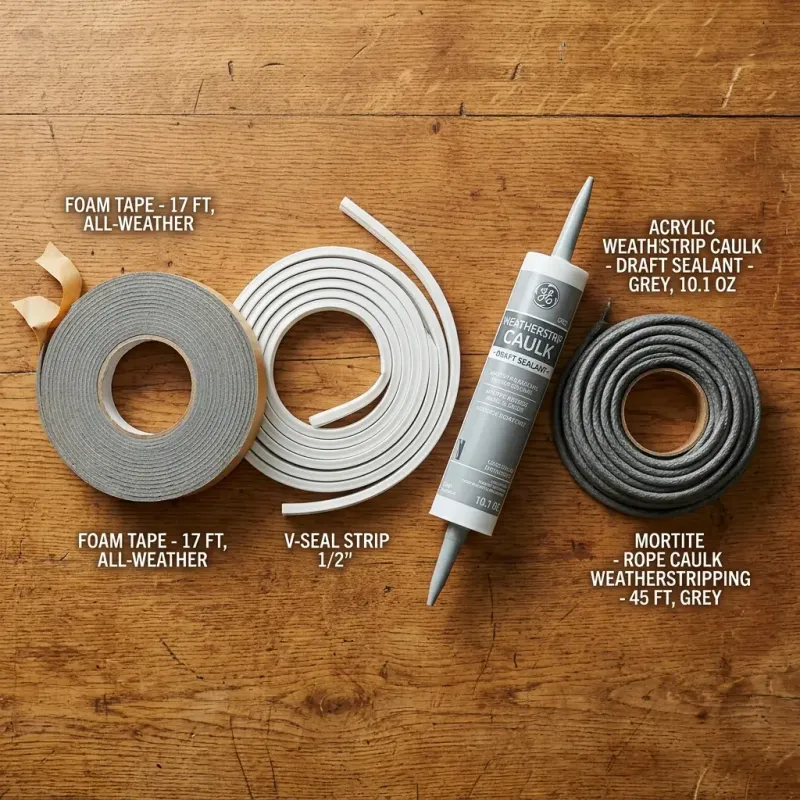 Weatherstripping vs Caulk: Which Should You Use and WhenWeatherstripping vs caulk: learn which one to use for moving parts, fixed gaps, drafty windows and doors, plus...
 What Is a Draft in a House?A clear explanation of drafts in houses, how air leaks happen, where drafts come from, and how to find and fix...
FAQ
Is stagnant air the same as bad air quality?
Not always, but stagnant air can allow odors, humidity, heat, and particles to linger longer than they should.
What is a simple airflow test?
Check whether tissue moves near vents, whether doors change airflow, and whether the room improves when a fan helps air enter or leave.
When is poor airflow an HVAC issue?
If vents barely move air, filters are dirty, ducts may be blocked, or several rooms are affected, the problem may need HVAC inspection.
Sources
About Emma Collins
Home comfort editor. Emma writes from rental living, room measurements, and public EPA / ENERGY STAR guidance — not as a licensed contractor, electrician, or medical professional.
Learn more about Emma ->