Are Top Floor Apartments Hotter? Why It Happens and What Helps
Why top floor apartments get hotter, especially at night, and renter-friendly ways to reduce heat from roof exposure, windows, and poor ventilation.
Key takeaways
- Top-floor apartments often run hotter because of roof heat, sun exposure, and weaker airflow.
- Block sun before the room heats up, not after the heat is stored.
- Night flushing only helps when outdoor air is cooler and safe to bring inside.
- Roof, insulation, or building ventilation problems are not tenant DIY fixes.
Use this guide to separate roof heat, window sun, trapped indoor heat, poor airflow, and humidity before assuming the AC is the only problem.
Quick diagnosis table
| Symptom | Likely cause | First thing to check | Best first fix |
|---|---|---|---|
| Hot ceiling | Roof heat gain | Ceiling feels warm at night | Block sun and ventilate at night |
| Hot windows | Solar gain | Room heats after sun hits glass | Shades, curtains, or film |
| Stale air | Weak airflow | Room improves with door open | Fan path and exhaust |
| Humid heat | High humidity | Hygrometer above 55% | Dehumidify and exhaust moisture |
Step-by-step checks
Why upper apartments hold heat
Heat from the roof and sun-facing walls builds through the day. By evening, the apartment can stay hot even after outdoor temperature drops.
Notice when the ceiling or upper walls feel warm after sunset. That stored heat can keep releasing into the room even when outdoor air finally cools.
Window strategy matters
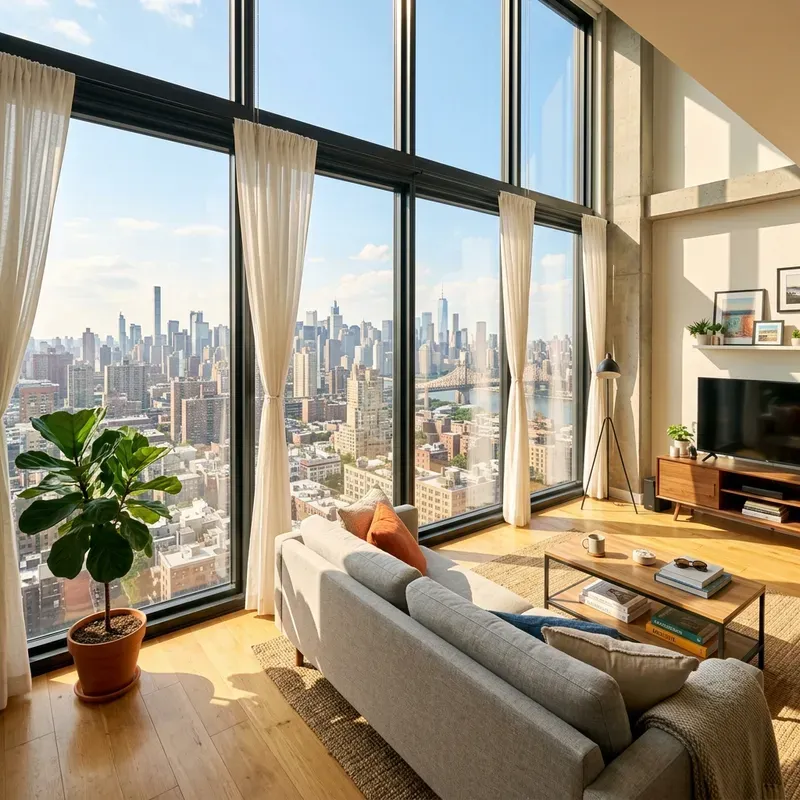
South and west windows can turn a room into a heat collector. Close shades early and open windows only when outdoor air is cooler.
Treat sun control as a morning or early-afternoon task. Once the glass, blinds, and furniture are hot, the room has already stored heat.
Use fans to remove heat
A fan near a window blowing out can help exhaust hot air. Another open window or door path lets cooler replacement air enter when conditions are right.
Exhaust hot air only when outdoor air is cooler and safe to bring in. Otherwise, use fans for personal comfort and keep heat sources shaded.
Reduce indoor humidity
Humid air makes a hot bedroom feel worse. Use exhaust fans after showers and avoid adding moisture indoors.
Humidity makes heat feel heavier and slows comfort recovery. Use bathroom and kitchen exhaust, avoid indoor drying, and measure before adding more cooling.
A 24-hour heat-source log
A single day of notes can help separate three problems that feel similar indoors: sunlight entering through glass, delayed heat release from the roof, and cooling equipment that is not removing enough heat. The log provides clues rather than proof, because cloud cover, wind, cooking, showers, occupancy, and open doors can change the result. Choose a representative warm day and keep ordinary household routines as consistent as practical.
Set up the record
Use one thermometer in the hottest room, away from direct sun, appliances, exterior walls, and the supply vent. If another thermometer is available, place it in a shaded room on the same floor. Record the outdoor temperature reported by a nearby weather source rather than placing an indoor thermometer in sun. For every entry, note the time, indoor and outdoor readings, cloud cover, which windows are receiving direct sun, whether shades and windows are open, and whether cooking, showering, laundry, or several occupants may be adding heat or moisture.
Also note the thermostat setting, whether the cooling system is running, whether air is moving from the supply vent, and whether the return grille is obstructed. Do not change several variables during the log. A new shade position, open window, portable appliance, or thermostat change should be written down so the later temperature trend is not mistaken for a building or equipment effect.
What to record through the day
- Early morning: Make the baseline entry before direct sun reaches the apartment. Note whether the ceiling, upper walls, and glass feel neutral or already warm without touching electrical fixtures.
- Before and during direct sun: Record an entry before sunlight reaches each major window and another while it is present. Note which room warms first and whether the area near the glass becomes noticeably warmer than the shaded room.
- Late afternoon: Record whether direct sun has left the glass, whether the cooling system is still running, and whether the ceiling or upper wall now feels warmer than it did in the morning.
- At sunset and later in the evening: Continue entries after direct sun is gone. Compare the room trend with the outdoor trend and note whether the ceiling remains warm while the window area begins to cool.
- Before sleep and the next morning: Complete the full 24-hour record. Note overnight window use, cooling operation, unusual cycling, loss of airflow, noise, dripping, frost, odors, or any thermostat alert.
Read the pattern, not one reading
Solar gain through glass is the stronger lead when the sun-facing room begins warming as direct light reaches the windows, the warmest area is near the glass or sunlit furnishings, and the rise slows after shading or after the sun moves away. That pattern supports earlier shade use, but it does not rule out roof heat.
Roof lag is the stronger lead when the ceiling or upper wall becomes warmer later in the day and the apartment keeps gaining heat, or cools slowly, after direct sun has left the windows. A shaded room on the same top floor may show a similar delayed trend. Tenant observations cannot determine whether the cause is insulation, roof color, attic ventilation, air leakage, or another roof assembly detail.
A cooling fault or delivery problem needs attention when the system is set to cool and operating but airflow disappears, vents remain blocked despite being opened, the unit repeatedly starts and stops, visible ice forms, water appears where it should not, or the apartment does not begin recovering after solar and roof loads ease. Temperature notes alone cannot establish refrigerant charge, equipment capacity, or duct condition; those require qualified inspection.
Rental limits and escalation
A renter can document temperatures, sun exposure, thermostat messages, accessible vent airflow, and visible moisture; clean or replace a filter only when the lease or manufacturer instructions assign that task to the tenant. Do not enter a roof, attic, mechanical room, electrical panel, or outdoor equipment enclosure. Do not remove HVAC covers, handle refrigerant lines, seal shared-building vents, install exterior film, or alter wiring without written authorization.
Send the dated log and clear photos to the property manager when the pattern points to the roof, building envelope, shared ventilation, or installed cooling system. Request prompt professional help for absent airflow, repeated breaker trips, damaged wiring, burning or fuel odors, smoke, a carbon-monoxide alarm, active leakage near electrical equipment, visible ice on cooling equipment, or heat accompanied by dizziness, confusion, fainting, chest pain, or trouble breathing. Follow local emergency and public-health guidance rather than continuing the test when safety is in doubt.
Low-cost fixes to try first
Use the least permanent fix that addresses the confirmed cause. That usually means clearing vents, sealing a specific draft, using curtains or window film, adjusting fan placement, measuring humidity, or documenting a maintenance issue. Avoid buying several products at once because you will not know which one helped.
Renter-friendly fixes
Good renter options include removable weatherstripping, rope caulk, window film, door draft stoppers, plug-in hygrometers, portable fans, rugs, curtain liners, and written maintenance requests. Keep receipts and photos, and avoid screws, permanent caulk, wiring changes, or anything that could affect the deposit unless the landlord approves it.
When to call a professional
Call a qualified professional or property manager if you see mold, water stains, electrical heat, broken windows, no HVAC airflow, unsafe heat, combustion appliance concerns, or a room that stays far outside the rest of the home after basic checks.
Mistakes to avoid
- Do not hide leaks, condensation, or mold with decor.
- Do not block supply or return vents.
- Do not caulk moving window parts shut.
- Do not use permanent fixes in a rental without permission.
FAQ
Are top floor apartments hotter?
Usually yes, especially in sunny buildings with roof heat gain.
Why is my apartment hot at night?
Building materials release stored daytime heat slowly after sunset.
Do curtains help top-floor heat?
Yes, especially when closed before direct sun arrives.
Can a fan cool the air?
No, but it can improve comfort and exhaust hot air if positioned well.
Should I open windows during the day?
Only if outdoor air is cooler or drier than indoor air.
Why top floors stay hot after sunset
Sunset ends direct solar input, but it does not instantly remove heat already absorbed by the roof, ceiling, exterior walls, glass, floors, and furniture. Those surfaces can continue transferring heat to the indoor air while the cooling system works against the remaining load. Closed windows can also trap that heat when outdoor air has become cooler, while opening them too early can bring in warmer or more humid air.
Use the 24-hour log to identify the sequence. Warming that tracks direct sun at the windows points toward glass exposure. Continued warming after the glass is shaded, paired with a warm ceiling or upper wall, points more strongly toward delayed heat from the building assembly. If neither area explains the trend and installed cooling has weak or absent airflow, visible ice, leakage, or abnormal cycling, report the equipment symptoms rather than assuming sunset should have cooled the apartment.
Roof lag
Roof lag is the delay between solar heating of the roof assembly and the resulting heat reaching the rooms below. The timing and size of that effect depend on the roof construction, insulation, ventilation, air sealing, weather, and indoor cooling; appearance alone cannot identify which layer is responsible.
Early window shading may reduce a separate source of heat, and safe evening ventilation may help once outdoor conditions are more favorable, but neither repairs a roof or insulation defect. A portable or room air conditioner also cannot diagnose the building envelope, and its performance depends on correct installation, an appropriate application, unobstructed airflow, and isolation of the space being cooled. Persistent ceiling heat, water staining, damaged roofing, attic moisture, or a repeated top-floor pattern should be documented for the property manager or a qualified building or HVAC professional.
Related guides
 Best Humidity Level for Sleeping: Bedroom Comfort GuideThe best bedroom humidity level for sleep, dry air, humid bedrooms, condensation, mold risk, and how to measur...
 Blackout Curtains vs Window Film: Which Helps More?Compare blackout curtains and window film for cold rooms, hot rooms, privacy, drafts, sunlight, renters, and c...
 Cold Room Checklist: 17 Things to Check Before You Spend MoneyA room-by-room checklist for cold rooms in house problems, including airflow, drafts, insulation clues, vents,...
 Condensation on Windows: When It's Normal and When It's a ProblemUnderstand the causes of window condensation, health risks, and practical solutions for moisture control.