Drafts & Windows
Weatherstripping vs Caulk: Which Should You Use and When
Weatherstripping vs caulk: learn which one to use for moving parts, fixed gaps, drafty windows and doors, plus the renter-safe role of rope caulk so you do not seal the wrong thing.
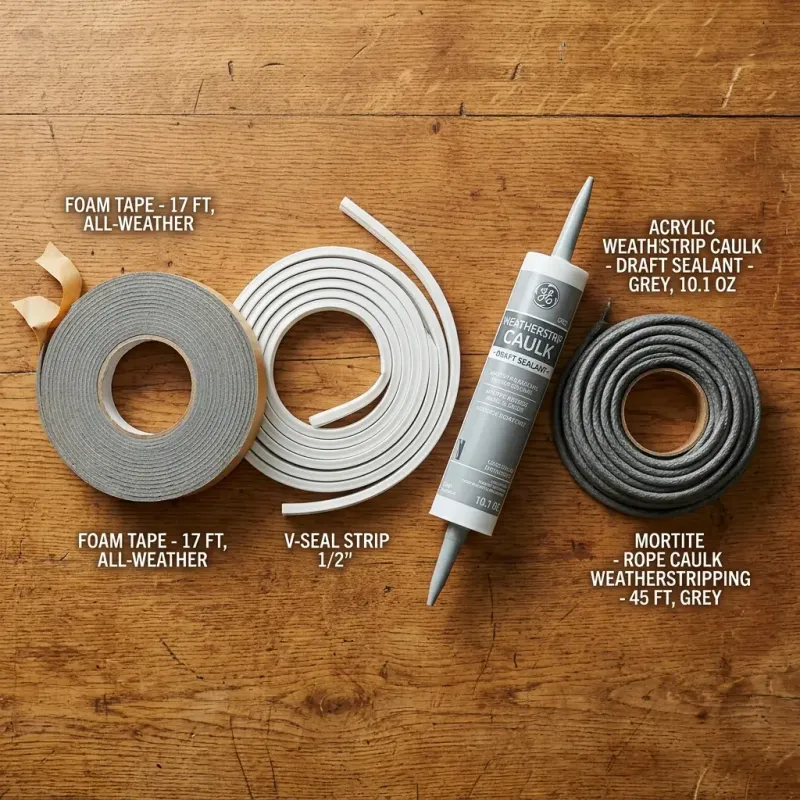
Key takeaways
- Moving parts (sashes, doors) want weatherstripping; fixed gaps want caulk.
- Renters should prefer removable weatherstripping and avoid permanent exterior caulk jobs.
- Wrong product in a friction surface fails fast.
- Test drafts before sealing randomly.
What to check first
- Is the gap on a moving edge?
- Paint-sensitive surfaces?
- Outdoor vs indoor side?
- Landlord rules?
Dwell Calm tip
Before treating a full sash, test a short section and confirm that the window still opens, closes, and locks without added force.
When to get help
Exterior envelope work at height or around flashing needs pros.
Choose the right seal
| Product | Use | Avoid |
|---|---|---|
| Adhesive foam | Low-friction gaps | High-friction sashes |
| V-seal / tension seal | Window sidetracks | Dirty channels |
| Caulk | Fixed trim gaps | Moving joints |
Removable first
Rope caulk and seasonal film give winter sealing without marrying the paint forever.
Re-test after install
If condensation rises after sealing every crack, you may need planned ventilation — sealing is not the entire IAQ strategy.
Product picker with real failure modes
Weatherstripping belongs on moving joints. Caulk belongs on fixed joints. Mixing them up creates sticky windows and cracked beads.
Foam adhesive tape
Good for low-friction gaps on doors. Bad for tight window sidetracks that need to slide. If the sash fights you after install, remove it and switch to a V-seal.
V-strip / tension seal
Better for many vertical window channels. Clean dirt first or it will not stick and will bunch up.
Rope caulk
Winter favorite for renters: press into fixed gaps, peel in spring. Keep a little extra for touch-ups after storms.
Silicone / acrylic caulk
Only where the joint does not move and your lease allows it. Mask edges, tool the bead, and do not caulk weep holes designed to drain water.
After any seal, re-test with incense. If condensation on glass rises sharply, you sealed infiltration but still have indoor moisture to manage.
Step-by-step seal selection
- Find the actual air path. Check on a windy day with a strip of tissue; keep flame and smoke tests away from curtains, gas appliances, and alarms.
- Operate the assembly. Open and close the sash or door. A joint that changes shape or slides needs a flexible moving-joint solution, not a rigid bead.
- Inspect drainage and ventilation. Identify window weep holes, trickle vents, door clearances, and other intentional openings that must remain functional.
- Check the surface. Adhesive will not hold reliably on dust, grease, dampness, loose paint, or deteriorated material.
- Test a small reversible section. Verify closure, locking, paint compatibility, and removal before treating the full opening.
- Retest. Confirm the draft changed and that the window or door still opens, closes, latches, and drains normally.
Symptom, cause, check, and action
| Symptom | Likely cause | Check | Action |
|---|---|---|---|
| Draft along an operable sash | Worn or missing moving seal | Move the sash and watch where the gap changes | Use suitable weatherstripping without obstructing travel |
| Air at stationary trim-to-wall joint | Fixed crack | Confirm neither side moves during operation | Use approved caulk or removable rope caulk |
| Door will not latch after sealing | Seal is too thick or misplaced | Remove a short section and test closure | Use a thinner, correctly positioned profile |
| Adhesive peels quickly | Dirty, damp, or failing finish | Inspect what came away with the strip | Stop and correct the substrate or ask maintenance |
| Water collects in the track | Drainage blocked or leak present | Inspect intended drain openings without dismantling the frame | Clear only accessible debris; report persistent water |
Common sealing mistakes
- Caulking a sash shut, covering weep holes, or blocking a required ventilation opening.
- Using thick foam where sliding parts need clearance.
- Applying adhesive over loose paint, damp material, or an active leak.
- Sealing a fire-rated or self-closing door in a way that interferes with latching.
- Treating condensation as proof that more air sealing is always needed.
- Making several changes before checking which gap was responsible.
Renter limits and professional work
Removable weatherstripping or rope caulk may be appropriate when the lease permits it and a test patch removes cleanly. Renters should not alter exterior joints, glazing, flashing, fire doors, egress windows, or common-building ventilation. Permanent caulk can damage finishes and can conceal water entry, so obtain written approval first. Ask the landlord or a qualified professional about rotten frames, loose glass, recurring water, damaged locks, inaccessible exterior gaps, or work at height. After tightening a room, continue using designed ventilation and watch for new condensation or persistent odors.
How to judge the finished seal
A successful installation reduces air movement without changing the safe operation of the opening. Check the full travel of every treated sash or door, then confirm the latch, lock, and any self-closing function. Look for buckled strips, adhesive lifting, compressed seals that prevent closure, and covered drain openings. Recheck during suitable windy conditions because a seal that looks complete may still miss the actual leakage path.
Removal also matters in a rental. Inspect the test area for softened paint, residue, or lifted finish before expanding the work. Stop if the substrate deteriorates. If a fixed crack keeps reopening, a frame shifts, glass is loose, or water accompanies the draft, the condition is no longer a simple product-selection problem and should be assessed by the property owner or a qualified professional.
Check the result without creating a new problem
A successful seal reduces the identified air path while preserving normal operation. After installation, open, close, latch, and lock the window or door several times. Inspect the seal for folding, scraping, or separation. Check that drainage openings remain clear and that an exterior door still closes without force. Repeat the original tissue check under similar wind conditions rather than judging by touch alone.
Watch the room for secondary clues during the following days. New window condensation, lingering cooking odors, or a bathroom that dries more slowly can indicate that uncontrolled leakage was reduced while designed ventilation remains inadequate. The answer is not to remove every useful seal automatically; use installed exhaust and ask the landlord to inspect ventilation that does not perform. Air sealing and indoor-air management must work together.
Related guides
 Dehumidifier vs Fan vs Open Window: What Actually Lowers Room Humidity?Compare dehumidifiers, fans, and opening windows for damp rooms, stuffy apartments, window condensation, and b...
 Dehumidifier: Windows Open or Closed?Should windows be open or closed when using a dehumidifier? Learn what works for apartments, humid rooms, bath...
 How to Find Drafts in Your House: Simple Tests That Actually WorkFind drafts around windows, doors, outlets, baseboards, attic hatches, and basement areas using simple tests, ...
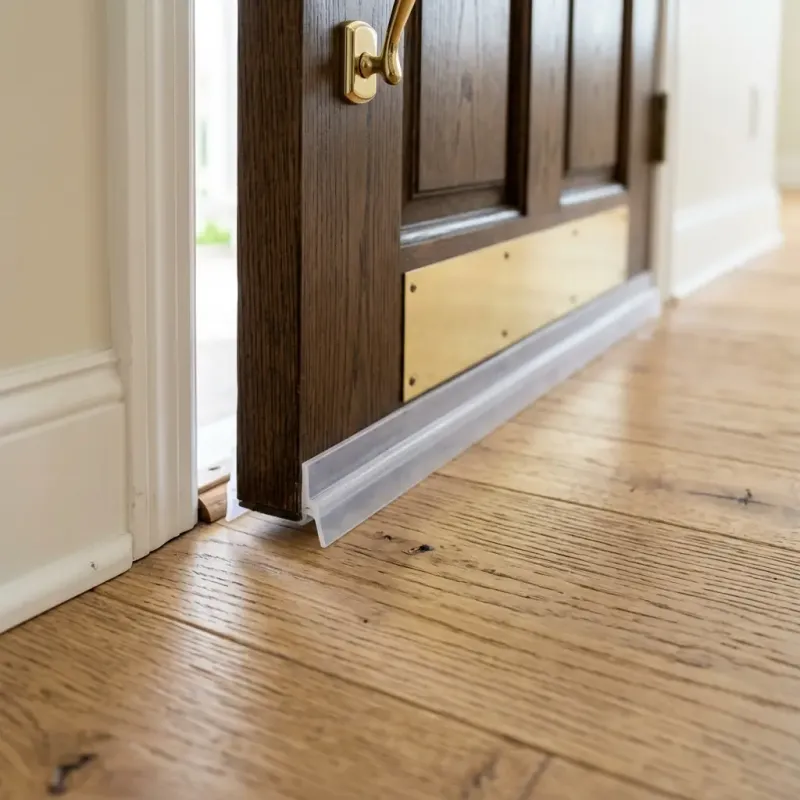 Door Sweep vs Under-Door Seal: Which Draft Stopper Should You Buy?Door sweep vs under-door seal vs draft stopper: learn which one works best for hallway drafts, carpeted floors...
FAQ
When should I use weatherstripping instead of caulk?
Use weatherstripping where parts move, such as operable windows and doors. Use caulk for stationary gaps and cracks when appropriate.
Can caulk trap moisture?
Yes. Do not caulk wet, rotten, moldy, or unknown gaps without understanding where moisture is going.
What should renters use first?
Removable weatherstripping, draft stoppers, and temporary film are usually safer than permanent caulk unless the landlord approves.