Energy Saving
The Renter's Guide to Energy Efficient Lighting

Switching to LEDs is one of the easiest energy wins in a rental. Learn which bulbs to buy, how much they actually save, and how to improve lighting efficiency without permanent changes.
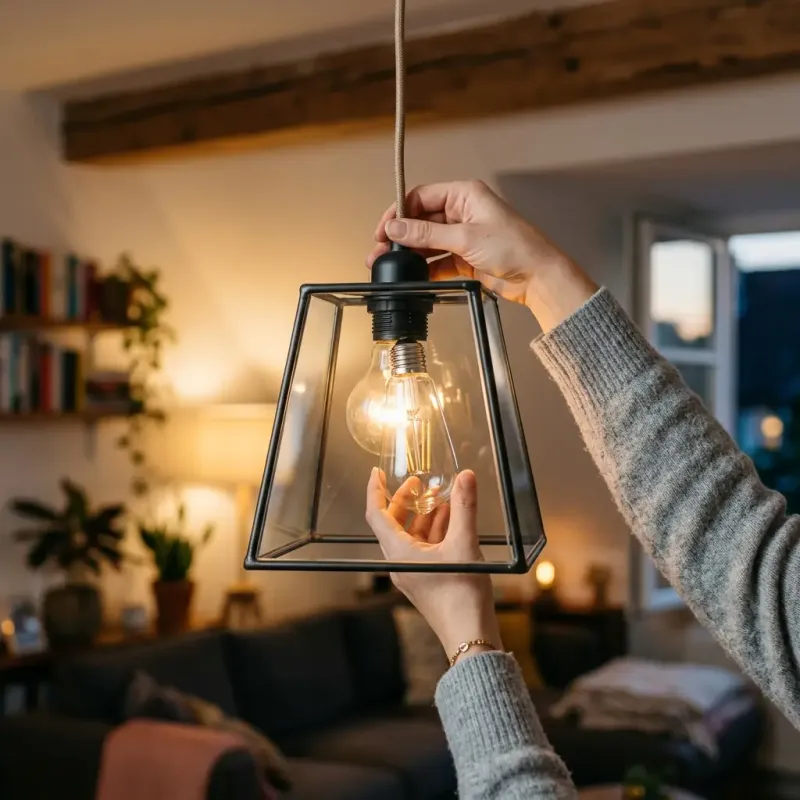
Key takeaways
- Lighting efficiency is mostly LED lumens-per-watt plus using light only where you need it.
- Heat from old halogen/incandescent bulbs is real — but it is an expensive way to warm a room.
- Renters should prioritize screw-in LED swaps and plug-in lamps over rewiring.
- Match color temperature to the task: warmer for evenings, cooler for desks.
What to check first
- Count bulbs still halogen/incandescent vs LED.
- Note which lights stay on in empty rooms.
- Check if task lighting can replace a bright ceiling lamp.
- Look for dimmers that are not LED-compatible (flicker).
Dwell Calm tip
Swapping five hallway halogens for LED cut noticeable heat near the ceiling in a small flat and dropped the “always on” bill more than any smart bulb subscription.
When to get help
Call an electrician for buzzing fixtures, warm switch plates, aluminum wiring concerns, or any hardwired change your lease forbids.
What actually saves energy in apartment lighting
Start with the bulbs you already use hours per day: kitchen, hallway, bathroom. Buy LEDs with clear lumen ratings (not just “60W equivalent” marketing). For a reading chair, a 400–800 lumen lamp beats blasting a 1600 lumen ceiling light.
| Choice | Why it helps | Renter-safe? |
|---|---|---|
| LED A-lamp swap | Lower watts for same light | Yes |
| LED task lamp | Light the desk, not the whole flat | Yes |
| Smart scheduling | Stops lights left on | Yes (plug-in) |
| New recessed cans | Can help, needs work | Usually no |
Color temperature without the fluff
2700–3000K feels calmer at night. 4000K helps detail work. Mixing five different whites in one room looks unfinished and tempts people to over-light.
Common lighting mistakes that waste power
Leaving bright ceiling lights on “for atmosphere”, using decorative filament LEDs that are pretty but weak (so you add more lamps), and installing non-dimmable LEDs on old dimmers that flicker until you raise brightness unnecessarily.
Also: daylight. Opening blinds for morning tasks beats switching every overhead on. In summer, that same sun can heat the room — use sheer + heavier layers by season instead of fighting with more artificial light at noon.
A practical upgrade order
Replace daily-use bulbs first → add one good task lamp → fix flicker/dimmer mismatches → only then consider smart plugs for rooms that get left on. Keep packaging in case the landlord wants originals back.
Lighting guides that talk about humidity and drafts instead of lumens are not lighting guides. This page stays on lighting on purpose.
Lumens, watts, and what to buy on a budget
Ignore vague marketing labels. Read lumens (brightness) and watts (power). For a hallway that was a 60W incandescent, an LED around 800 lumens at 8–12W is the usual swap. For accent shelves, 200–400 lumens is enough.
Flicker and headaches
Cheap LEDs on incompatible dimmers flicker. If a room gives you eyestrain, try a known-brand bulb on full power without a dimmer before blaming myths about light color alone.
Heat from lighting vs heating the room
Incandescent heat is real but expensive. Do not keep old bulbs as heaters. Fix drafts and radiators for warmth; use LEDs for light. In summer, fewer hot bulbs also reduce cooling load in small rooms.
Renter move-out tip
Keep original bulbs in a labeled bag. Swapping back takes ten minutes and avoids deposit arguments about fixtures.
Room lighting plans for small flats
Hall: reliable LED, motion optional. Kitchen: brighter task light at counters. Bedroom: warm lamp for evenings, avoid blasting cool overheads at midnight.
Lumen shopping card
Hall ~800 lm LED, desk task 400–800 lm, bedroom evening warmer 2700–3000K. Keep original bulbs labeled for move-out. Fix flicker (dimmer mismatch) before chasing myths.
More detail you can use today
Swap high-hour bulbs first. Match dimmers. Keep originals for move-out.
If a product fights your windows, doors, or lease rules, remove it. A stuck sash or scraped fire door is a worse outcome than a small leftover draft. Prefer reversible kits and keep packaging until you know the fix earned its keep.
When comfort finally stabilizes, stop adding layers. Extra gadgets after the problem is solved mostly add clutter and energy use.
Share what worked with your household so people do not reopen tilted windows or block the radiator you just cleared. Consistency keeps the win.
Related guides
 Mold Prevention in Apartments: What You Can ControlLearn the basics of mold prevention in apartments, including humidity control, condensation checks, airflow an...
 Normal Room Humidity: Ideal Indoor Humidity Levels by Season and RoomLearn ideal room humidity levels by season and room, warning signs of high or low humidity, how to measure wit...
 Why Is My Portable AC Not Cooling the Room?Troubleshoot a portable AC that is not cooling, including hose setup, BTU sizing, window kit gaps, filters, si...
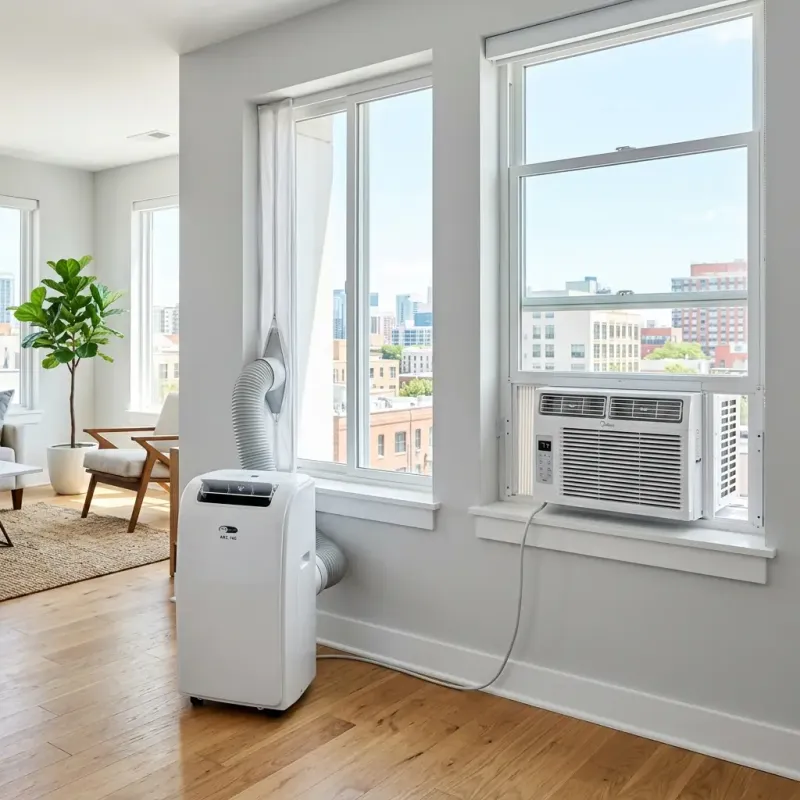 Portable AC vs Window AC: Which One Is Better for Your Room?Compare portable AC and window AC units for cooling performance, efficiency, noise, cost, installation, renter...
FAQ
Do LED bulbs help apartment comfort?
They can reduce wasted heat compared with older incandescent bulbs, which matters most in small rooms, hot apartments, or summer.
What should renters check before replacing bulbs?
Check fixture type, bulb shape, dimmer compatibility, color temperature, brightness, and any landlord or building rules.
Can lighting changes lower bills by themselves?
They can help, but drafts, heating habits, cooling loads, and appliance use usually matter more for total comfort and energy waste.
Sources
About Emma Collins
Home comfort editor. Emma writes from rental living, room measurements, and public EPA / ENERGY STAR guidance — not as a licensed contractor, electrician, or medical professional.
Learn more about Emma ->