Why Is My Portable AC Not Cooling the Room?
Troubleshoot a portable AC that is not cooling, including hose setup, BTU sizing, window kit gaps, filters, single-hose limits, and room heat gain.
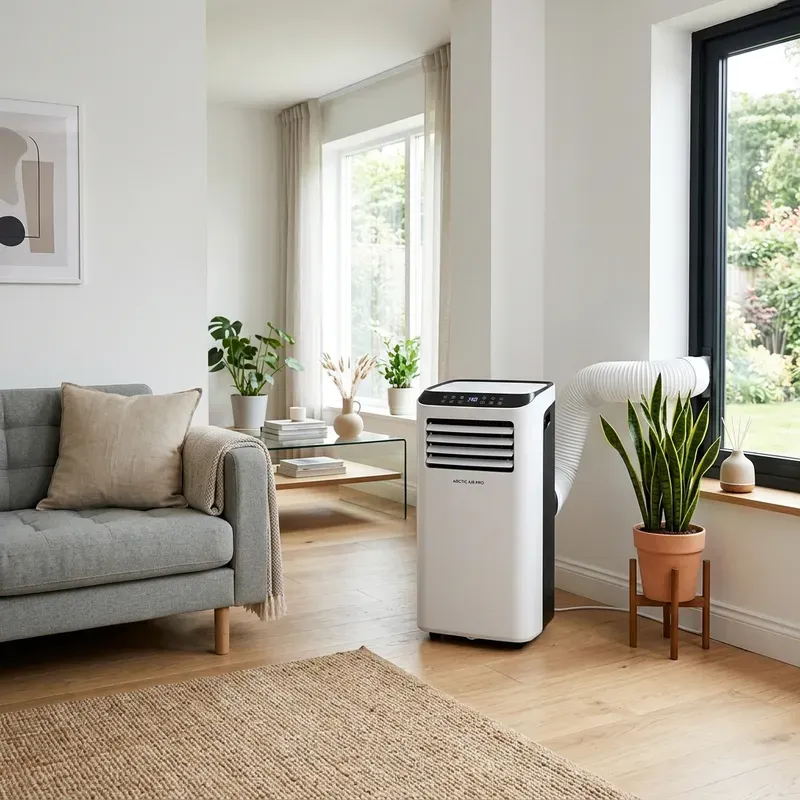
Key takeaways
- Check the exhaust hose and window kit before blaming the unit.
- A dirty filter or blocked intake can reduce cooling fast.
- Single-hose portable AC units often struggle in hot, leaky rooms.
- Room size, sun exposure, and ceiling height matter as much as BTU rating.
Diagnosis table
| Symptom | Likely cause | First check | Best fix |
|---|---|---|---|
| Room stays warm | Heat leaking back in | Feel around window kit and hose | Seal gaps and shorten hose |
| Weak cold air | Dirty filter or blocked intake | Inspect filter and clearance | Clean filter and clear space |
| Unit runs nonstop | Room too large or sunny | Compare BTU to room conditions | Reduce heat gain or use larger/other unit |
| Warm air pulled from hall | Single-hose negative pressure | Feel air under door | Improve sealing or consider dual-hose |
Check the exhaust hose first
The hose carries heat out of the room. If it is kinked, loose, too long, or disconnected at the window kit, heat comes right back inside.
Keep the hose as short and straight as the setup allows. Do not wrap it in a way that blocks airflow or violates the manual.
Seal the window kit
Small gaps around the plastic panel can let hot outdoor air back in. Use foam strips or removable tape around the panel edges if the manufacturer allows it.
This matters even more in rentals, where temporary kits are often installed quickly and never sealed well.
Check BTU sizing and heat gain
A portable AC rated for a small shaded room may fail in a sunny bedroom, top-floor apartment, or room with high ceilings.
Close curtains before direct sun, turn off unnecessary electronics, and avoid cooling multiple rooms with one small unit.
Clean the filter and protect airflow
A dirty filter reduces airflow over the coil. Many portable AC units need filter checks during heavy use, not just once a season.
Keep curtains, beds, and furniture away from the intake and exhaust areas. The unit needs room to breathe.
Before you replace the unit
Run one controlled test before deciding the portable AC is useless. Pick the room it is meant to cool, close the door, close windows, seal obvious window kit gaps, clean the filter, and start the unit before the room is already overheated. Measure the temperature near the return intake and again across the room after 45 to 60 minutes.
If the air coming from the unit is cool but the room barely changes, the issue is usually heat gain, sizing, or leakage. If the air from the unit is not cool at all, the problem is more likely a filter, coil, compressor, refrigerant, drain, or service issue.
Single-hose vs dual-hose symptoms
A single-hose portable AC exhausts indoor air outdoors. That can pull hot replacement air under doors, around windows, or from a hallway. In a leaky apartment, this can make the unit feel like it is fighting itself.
A dual-hose portable AC usually handles this better because it brings outdoor air to the condenser and exhausts it back outside. If you already own a single-hose unit, improve the room seal, shorten the hose, shade the windows, and cool a smaller zone.
Renter-friendly fixes
- Use removable foam around the window kit.
- Do not drill into windows or walls unless the lease allows it.
- Keep the hose path short without creating a trip hazard.
- Use curtains to reduce sun load before the AC starts.
- Save the original window parts and kit pieces.
Mistakes to avoid
- Do not run the unit without the exhaust hose.
- Do not cool a sunny open-plan apartment with a small single-room unit.
- Do not ignore water tank, drain, or filter warnings.
- Do not place the unit tightly against furniture or curtains.
When to call a professional
Contact the manufacturer, landlord, or an HVAC technician if the unit trips breakers, leaks water, makes electrical smells, fails to exhaust hot air, or stops cooling after basic cleaning and setup checks.
FAQ
Do portable air conditioners work?
Yes, but they are sensitive to hose setup, window sealing, room size, and heat gain.
Are window air conditioners better than portable AC units?
Often yes for efficiency and cooling power, but portable units can be easier for renters or unusual windows.
Why is my portable AC hose hot?
It carries heat out of the room, so it gets warm. Shorter, straighter, well-sealed hose setups help.
Should I close the door when using a portable AC?
Usually yes if the unit is sized for that room, but watch for single-hose pressure pulling warm air from other areas.
Can a dirty filter stop cooling?
Yes. Restricted airflow can make the unit cool poorly or shut down.
Hose and plate
Short hose, sealed plate, clean filter, closed door. If it still fails, then size — not before.
Related guides
 Why Is One Room in My House So Hot? A Practical Diagnosis ChecklistUse this checklist to diagnose one hot room, hot bedrooms at night, poor airflow, sun exposure, closed doors, ...
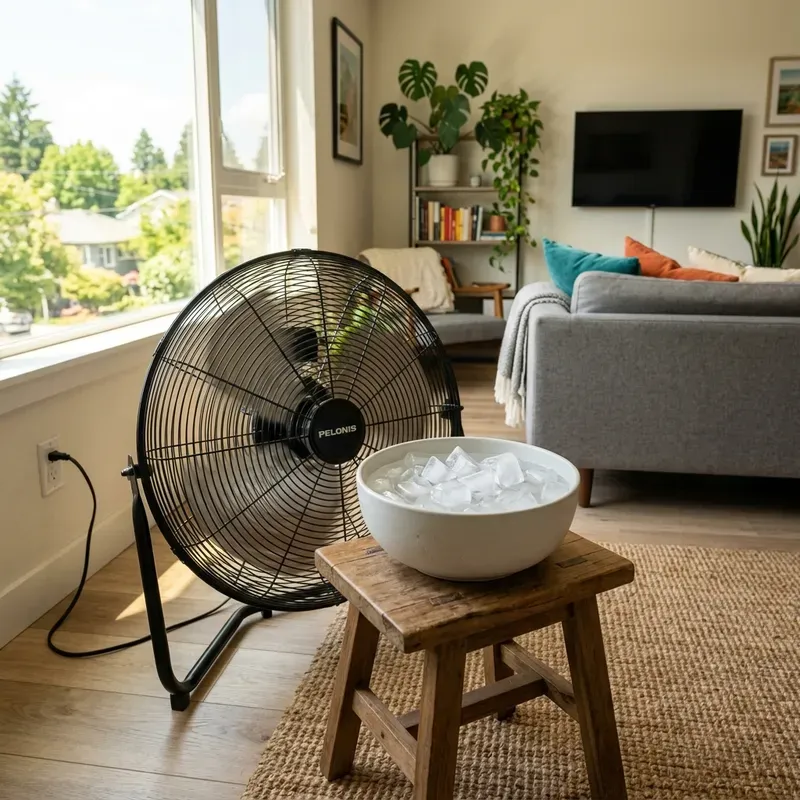 How to Cool Down an Apartment Without ACRenter-friendly ways to cool an apartment without AC, reduce heat gain, improve airflow, and make hot rooms mo...
 How to Dehumidify an Apartment Without Making It Feel StalePractical ways to lower apartment humidity, reduce damp air, prevent condensation, and improve ventilation wit...
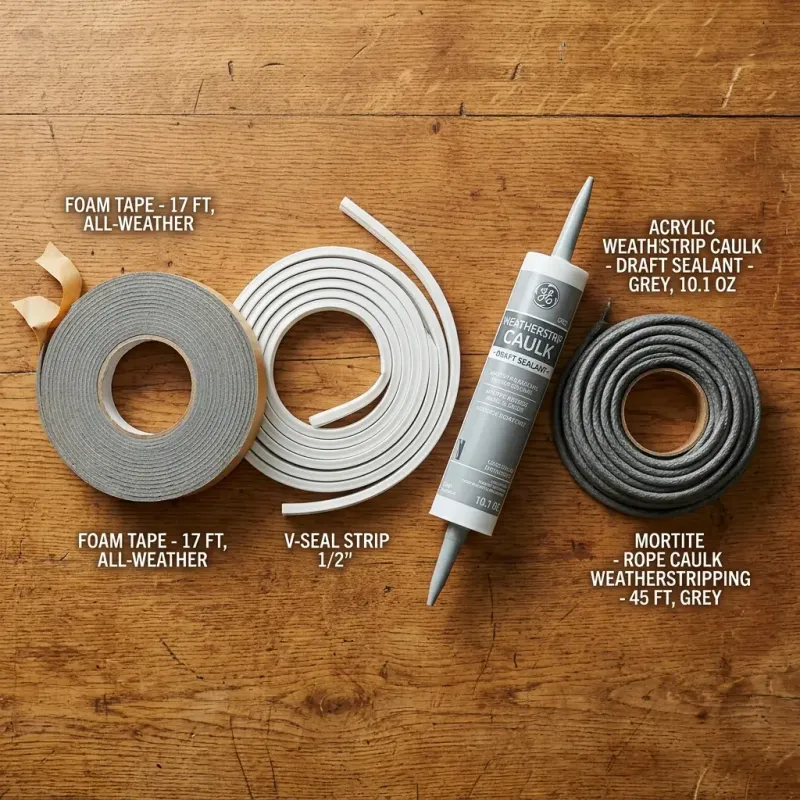 How to Fix Drafty Windows in a Rental Without Permanent ChangesRenter-friendly fixes for drafty apartment windows, including window film, removable caulk, curtains, weathers...