Energy Saving
How to Improve Thermal Comfort Without Major Renovations

Effective strategies that don't require landlord permission or large investments to keep your home at the ideal temperature.
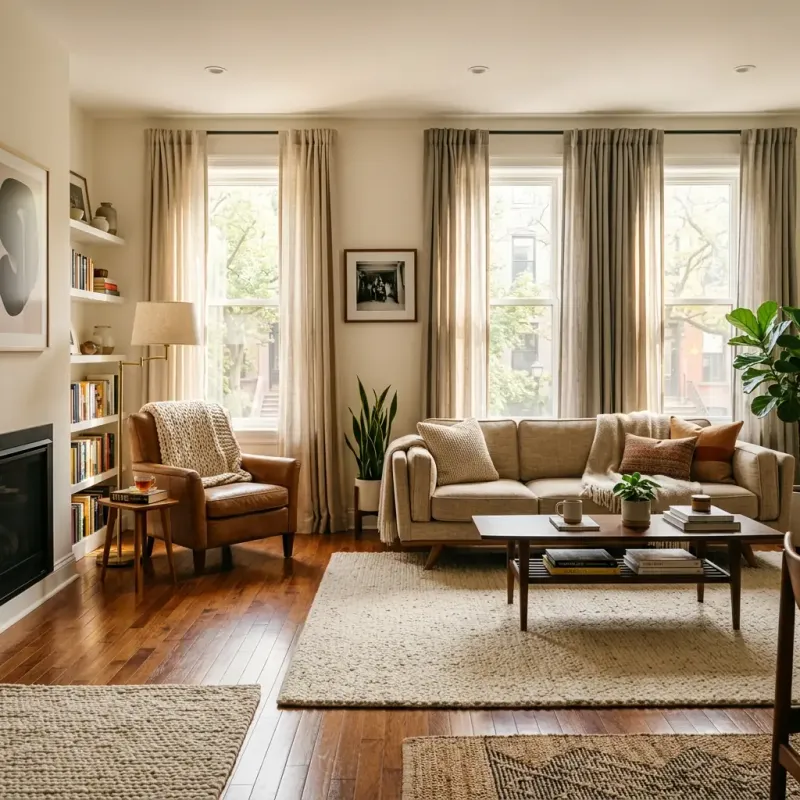
Key takeaways
- Comfort is temperature + drafts + humidity + radiant cold surfaces.
- Rugs and curtains change how a room feels faster than a new thermostat.
- Fix airflow paths before buying heaters.
- Renters win with reversible layers, not demolition.
What to check first
- Cold floor or cold air movement?
- RH in range?
- Sun / shade timing?
- One room vs whole flat?
Dwell Calm tip
A rug on a slab floor changed “cold room” complaints more than raising the thermostat 1°C in a ground-floor rental.
When to get help
Moisture in walls, broken heat, or electrical heaters tripping breakers need pros.
Layered comfort without renovation
Soft floor covering, sealed obvious drafts, managed solar gain, and clothing/bedding layers are the boring stack that works. Skip viral hacks that block smoke alarms or vents.
Radiant cold is not the same as air temperature
Sitting near single glazing feels colder than the thermostat suggests. Move the desk, add a layer at the glass, then revisit setpoints.
Track comfort, not just °C
Note sleep quality and where you sit. If numbers look fine but you still feel cold air on your ankles, you still have a draft problem.
Comfort is more than the thermostat number
Drafts, humidity, and cold radiant surfaces drive complaints even when air temperature looks fine.
Layered fixes
Rugs, curtains, sealed obvious leaks, and smarter seating away from single glazing beat renovation fantasies in rentals.
Track how you feel
Note sleep and where you sit. Cold ankles with a “fine” thermostat still mean drafts.
Practical next steps
Test one change at a time and give the room a few hours before judging results. Note outdoor weather, time of day, and whether doors or windows were open. That simple record prevents wasted purchases and gives clearer information if you need a landlord or technician.
Prefer reversible, lease-safe fixes first. Stop and get qualified help for gas smells, electrical faults, active leaks, large mold areas, or equipment that should not be opened by tenants.
For related checks, use the draft, humidity, and room-diagnosis guides on Dwell Calm rather than stacking random gadgets in the same afternoon.
Comfort stack for a 1-bed flat
Night 1: door sweep only. Night 2: add curtain discipline on the coldest window. Night 3: rug on the coldest floor path. Stop when sleep improves. Stacking four products the same day hides which one mattered.
More detail you can use today
Comfort is drafts plus humidity plus radiant cold. Fix the one you can feel tonight. Reassess tomorrow before shopping.
If a product fights your windows, doors, or lease rules, remove it. A stuck sash or scraped fire door is a worse outcome than a small leftover draft. Prefer reversible kits and keep packaging until you know the fix earned its keep.
When comfort finally stabilizes, stop adding layers. Extra gadgets after the problem is solved mostly add clutter and energy use.
Share what worked with your household so people do not reopen tilted windows or block the radiator you just cleared. Consistency keeps the win.
More detail you can use today
Comfort is drafts plus humidity plus radiant cold. Fix the one you can feel tonight. Reassess tomorrow before shopping.
If a product fights your windows, doors, or lease rules, remove it. A stuck sash or scraped fire door is a worse outcome than a small leftover draft. Prefer reversible kits and keep packaging until you know the fix earned its keep.
When comfort finally stabilizes, stop adding layers. Extra gadgets after the problem is solved mostly add clutter and energy use.
Share what worked with your household so people do not reopen tilted windows or block the radiator you just cleared. Consistency keeps the win.
Related guides
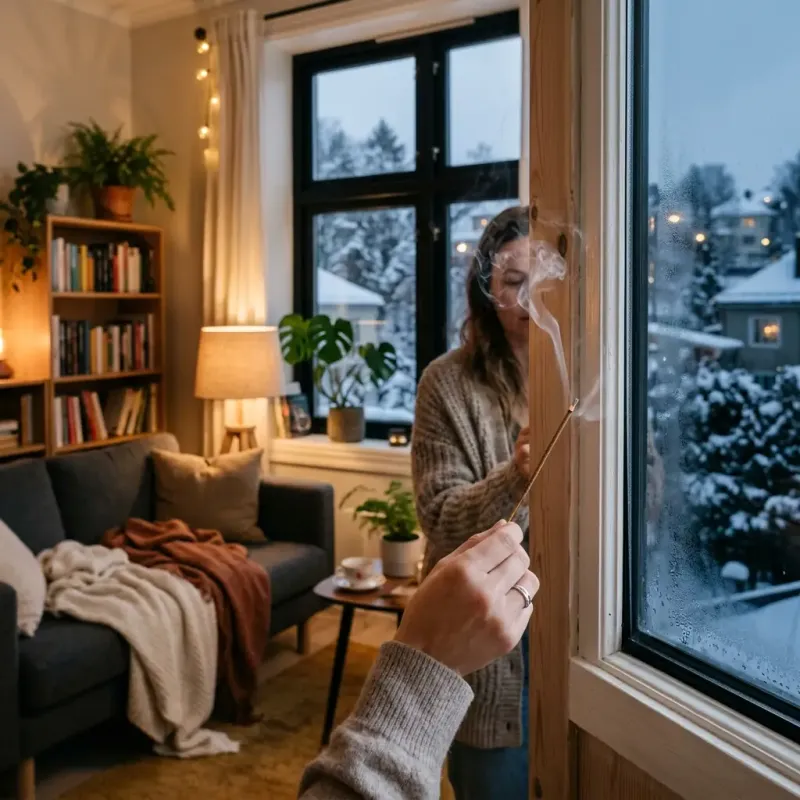 How to Find Drafts in Your House: Simple Tests That Actually WorkFind drafts around windows, doors, outlets, baseboards, attic hatches, and basement areas using simple tests, ...
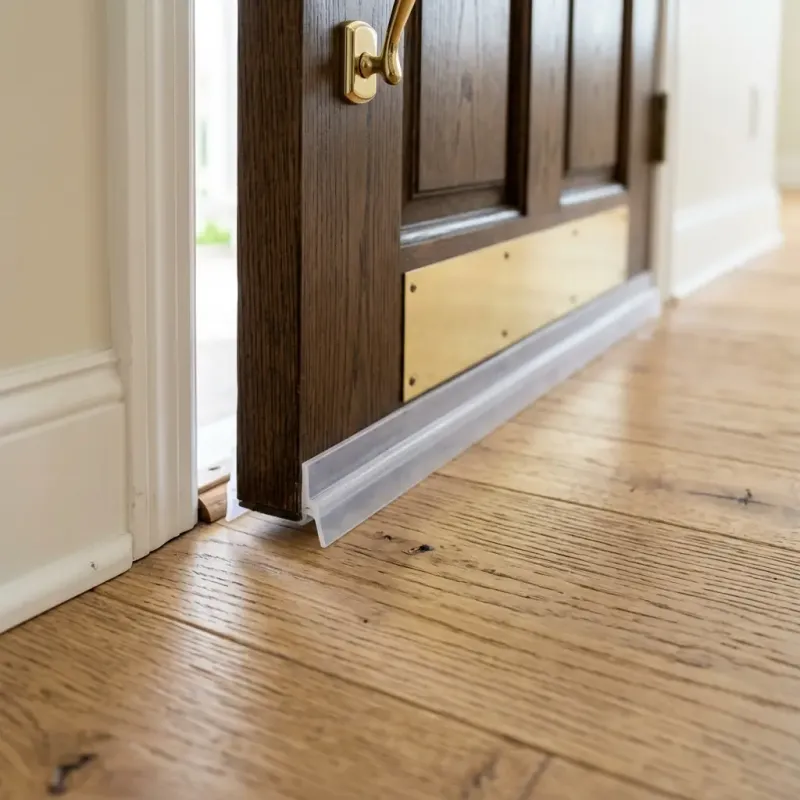 Door Sweep vs Under-Door Seal: Which Draft Stopper Should You Buy?Door sweep vs under-door seal vs draft stopper: learn which one works best for hallway drafts, carpeted floors...
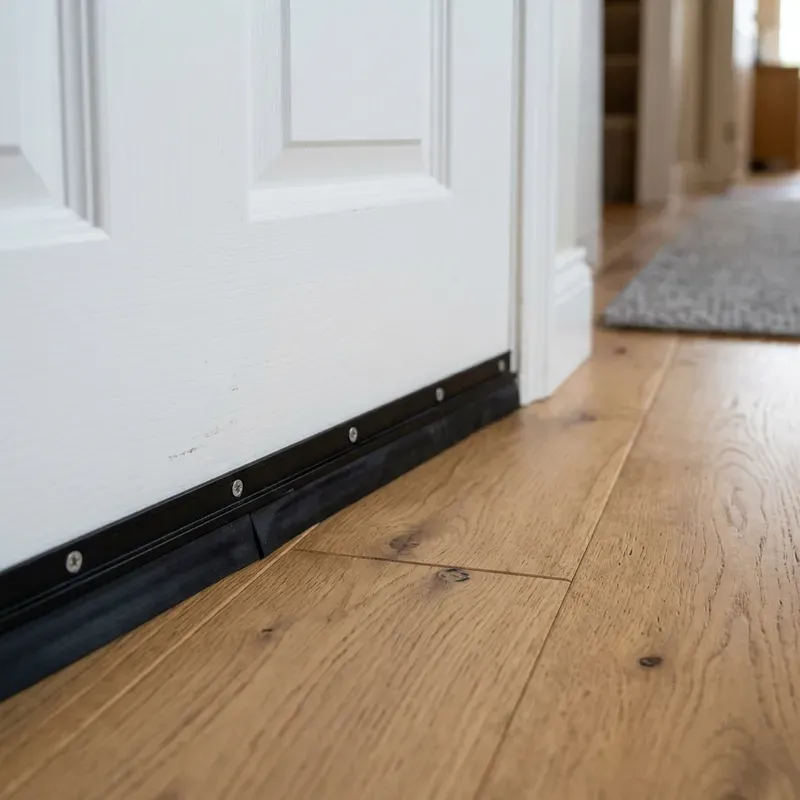 Door Sweep vs Door Seal: Which One Stops Drafts Better?Compare door sweeps, door seals, door bottoms, under-door seals, and draft stoppers so you can fix cold air un...
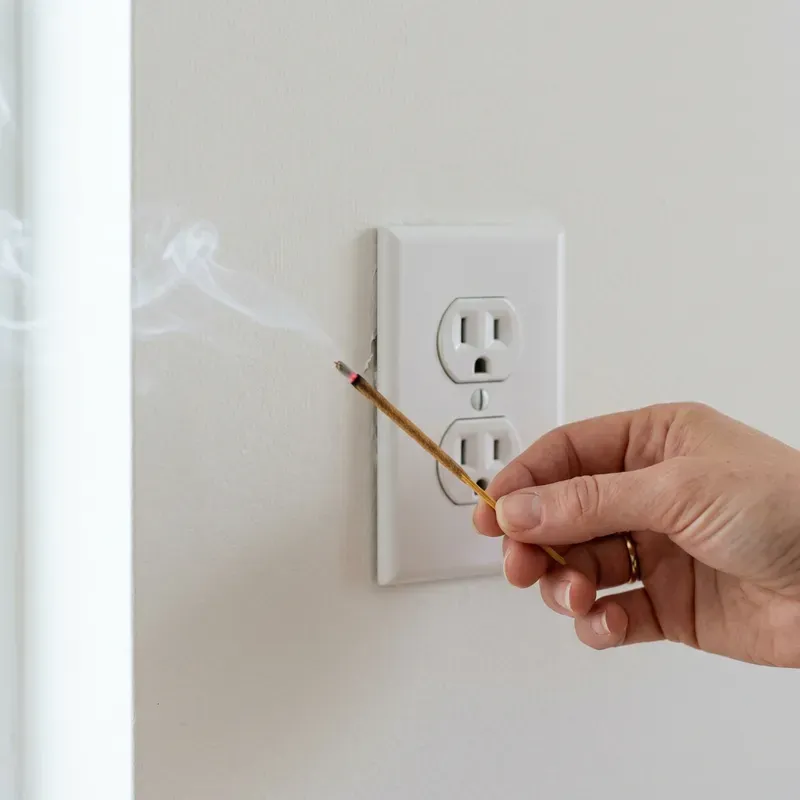 Draft Detector Tests: How to Find Where Cold Air Is Coming FromSimple draft detector tests for windows, doors, outlets, baseboards, attic hatches, and crawl space edges usin...
FAQ
What does thermal comfort mean in a normal home?
It means the room feels comfortable based on temperature, drafts, humidity, surface temperatures, clothing, sunlight, and air movement.
Can comfort improve without changing the thermostat?
Yes. Draft control, window coverings, rugs, fan direction, humidity control, and furniture placement can change how a room feels.
What should renters avoid?
Avoid permanent insulation, unsafe heaters, blocking required ventilation, covering moisture damage, or modifying HVAC equipment without permission.
Sources
About Emma Collins
Home comfort editor. Emma writes from rental living, room measurements, and public EPA / ENERGY STAR guidance — not as a licensed contractor, electrician, or medical professional.
Learn more about Emma ->