Apartment Comfort
How to Improve Thermal Comfort if You Rent
Need better thermal comfort in a rental? Learn which reversible fixes actually help with cold rooms, hot bedrooms, drafts, cold floors and window discomfort without risking your deposit.
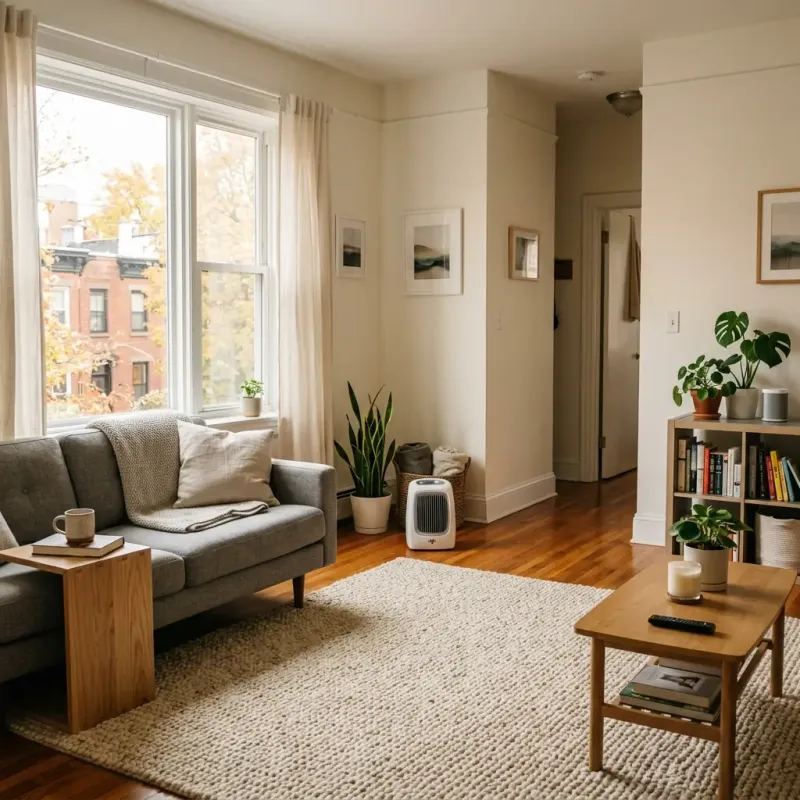
Key takeaways
- Comfort stack: drafts → humidity → radiant surfaces → then devices.
- Keep fixes reversible and photographed for move-out.
- One room strategy beats trying to perfect the whole flat.
- Communicate building-level failures in writing.
What to check first
- Symptom map by time of day.
- Lease constraints.
- Which changes are fully reversible.
- What needs maintenance.
Dwell Calm tip
A “comfort kit” in a box (sweep, film, hygrometer, LED bulbs) travels between rentals and compounds gains.
When to get help
Illegal heat methods, gas issues, and flooding → emergency channels.
Build a reversible comfort kit
Hygrometer, radiator key (if allowed), draft tools, LED spares, and a small fan cover most renter cases without renovation fantasies.
Politics of asking for repairs
Be specific: temperatures, dates, photos. Vague “it’s cold” emails get ignored.
Know the limit of renter DIY
You can improve how a room feels. You cannot rewrite a failed building envelope alone.
Build a reversible comfort kit
Keep a small box that moves with you between rentals: hygrometer, door sweep, removable weatherstrip, LED spares, radiator key if allowed, and a quiet fan.
Order of attack
- Drafts you can feel
- Humidity out of range
- Cold glass / cold floors
- Devices and habits
- Landlord requests with photos
One-room strategy
Perfect the room you sleep in first. Whole-flat perfection is how people buy gadgets and still feel miserable.
Writing effective repair emails
Include dates, temperatures, photos of gaps or condensation, and what you already tried. Specific requests beat emotional paragraphs.
Step-by-step comfort diagnosis
- Name the symptom precisely. Record whether the problem is moving air, a cold or hot surface, weak supply airflow, humidity, direct sun, or a whole-room temperature issue.
- Map time and place. Compare morning, afternoon, and night, and note whether the effect is strongest beside a window, exterior wall, floor, vent, or closed door.
- Check basic operation. Keep accessible vents and radiators unobstructed, confirm windows latch, and check the condition of landlord-controlled equipment without opening it.
- Measure before changing. Record room temperature and humidity in a representative location and note outdoor conditions.
- Try one reversible action. Adjust furniture, coverings, an approved removable seal, or fan placement, then compare similar conditions.
- Separate comfort work from repair. Document faults that require permanent changes and submit a specific maintenance request.
Symptom, cause, check, and action
| Symptom | Possible cause | Check | Renter-safe action |
|---|---|---|---|
| Cold moving air near a window | Air leakage or downdraft from cold glass | Check whether tissue moves and whether the sash latches | Use an approved reversible seal or window covering; report damaged hardware |
| Room is warm but seating feels cold | Cold surrounding surfaces | Move temporarily away from glass or exterior wall | Reposition furniture and use coverings without trapping moisture |
| One room gets little conditioned air | Blocked register or distribution fault | Compare accessible vent airflow and door position | Clear furniture; report a persistent imbalance |
| Bedroom overheats in afternoon | Solar gain | Compare sunny and cloudy periods | Close suitable shades before direct sun and ventilate when conditions allow |
| Room feels clammy | High humidity or weak moisture removal | Use a hygrometer and note shower or cooking timing | Use exhaust and address sources; report failed ventilation |
Mistakes that reduce comfort or safety
- Blocking a radiator, supply register, return path, or required door clearance with furniture or fabric.
- Using ovens, unvented combustion devices, or other equipment for space heating contrary to its intended use.
- Sealing egress windows, trickle vents, weep holes, or fire-rated doors.
- Adding moisture because a room feels cold without first measuring humidity.
- Installing several products at once and losing the evidence needed to identify the cause.
- Making permanent changes without written permission.
Renter limits and effective escalation
Reversible actions can reduce drafts, manage sun, improve furniture placement, and redistribute room air, but they cannot repair a failed window, unsafe heater, wet insulation, damaged duct, or inadequate building system. Photograph defects before applying temporary measures. A useful maintenance request states the room, dates and times, measured conditions, visible evidence, equipment behavior, and the specific inspection requested. Keep the tone factual and retain a copy.
Use emergency or building procedures for gas odors, carbon-monoxide alarms, sparking, flooding, or loss of essential heat where applicable. Request ordinary maintenance for recurring leaks, mold, windows that will not close or lock, damaged electrical components, persistent system failure, or severe distribution problems. A qualified professional should handle permanent air sealing, electrical work, combustion equipment, and inaccessible HVAC components.
Verify improvement before adding another fix
Repeat the original observation under comparable conditions. Check whether the draft, surface discomfort, humidity, glare, or airflow imbalance changed?not merely whether the room feels different for a few minutes. Keep access to controls, vents, windows, and exits unobstructed, and remove any temporary measure that interferes with safe operation. Seasonal measures should also be inspected for condensation or finish damage.
If the symptom remains, return to the map rather than layering products. A draft that persists beside a latched window, a room that never receives normal airflow, or a floor or wall that becomes wet points toward a building repair. Clear before-and-after notes help the landlord distinguish a comfort preference from a failed component and help a technician focus on the correct system.
How to compare a reversible fix
Use the same chair, room, time window, door position, and similar weather before and after a change. Record both the measured room condition and the specific sensation: moving air at ankle level, heat from direct sun, cold radiation near glass, or clamminess. A thermometer cannot describe every comfort factor, but it helps show whether a change altered room temperature or only reduced a local draft.
Remove a test product if it prevents a window from locking, interferes with a door latch, damages the finish, blocks ventilation, or traps visible moisture. Keep photographs of the surface before installation and after removal. If a reversible measure helps only briefly or the fault remains visible, the evidence supports a focused maintenance request instead of another layer of temporary material.
Related guides
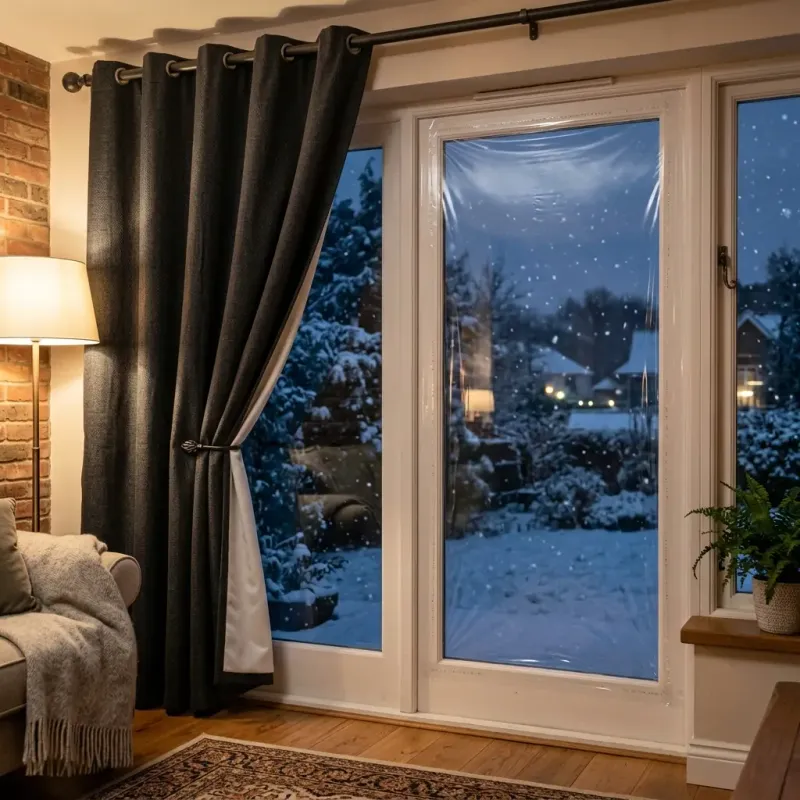 Thermal Curtains vs Window Film: Which Is Better for Cold Rooms?Compare thermal curtains and window film for cold rooms, summer heat, renters, privacy, condensation, cost, in...
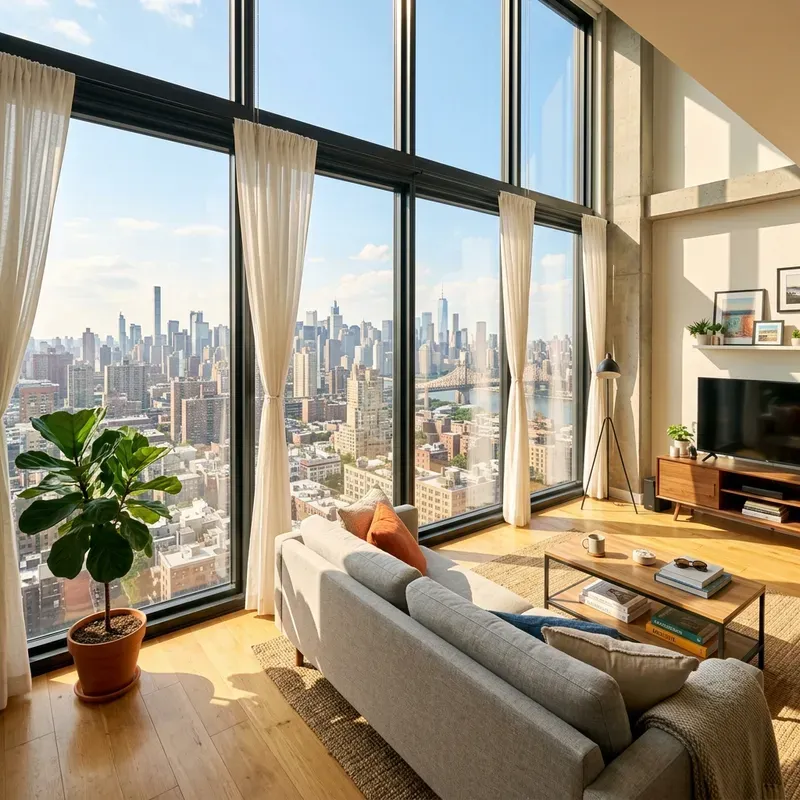 Are Top Floor Apartments Hotter? Why It Happens and What HelpsWhy top floor apartments get hotter, especially at night, and renter-friendly ways to reduce heat from roof ex...
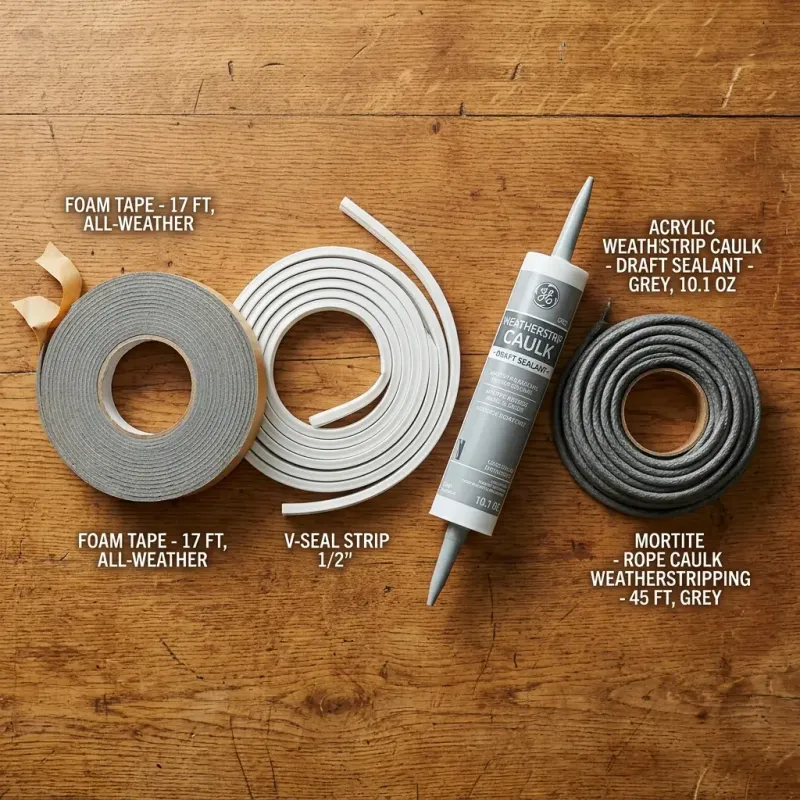 Weatherstripping vs Caulk: Which Should You Use and WhenWeatherstripping vs caulk: learn which one to use for moving parts, fixed gaps, drafty windows and doors, plus...
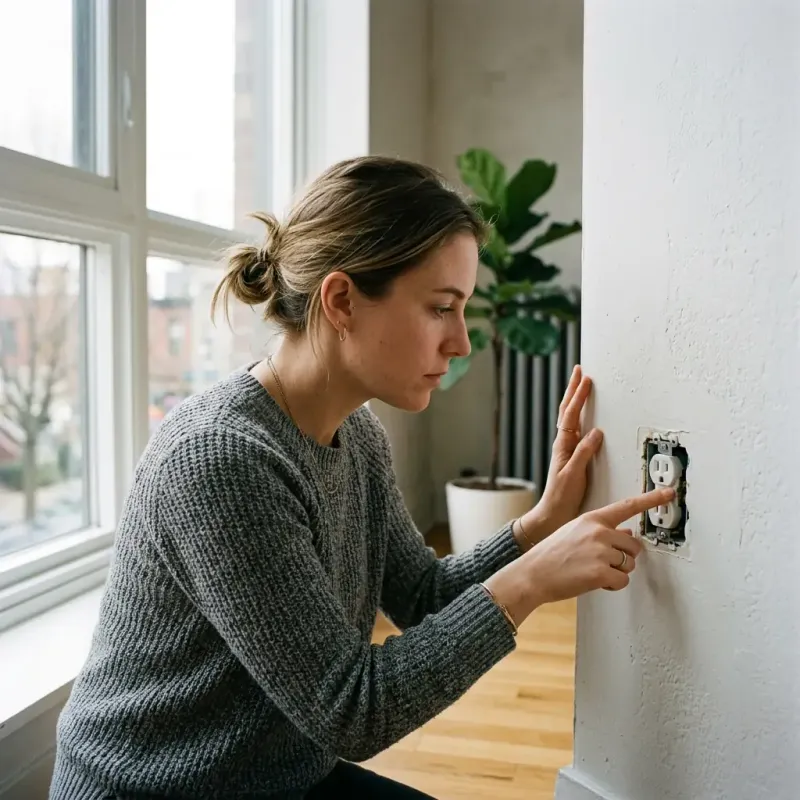 What Is a Draft in a House?A clear explanation of drafts in houses, how air leaks happen, where drafts come from, and how to find and fix...
FAQ
What should renters check before buying comfort products?
Check drafts, humidity, sun exposure, blocked vents, door gaps, radiator clearance, and whether the issue should be reported to maintenance.
Can furniture placement change comfort?
Yes. Moving beds, desks, or sofas away from cold exterior walls, windows, radiators, and blocked vents can make a room feel noticeably different.
When should I involve the landlord?
Involve them for broken heat or cooling, leaks, mold, unsafe wiring, failed windows, severe drafts, or anything requiring permanent repair.