Energy Saving
Energy Audit Checklist: A Practical Room-by-Room Guide to Finding Wasted Energy

Use this practical energy audit checklist to find drafts, HVAC waste, insulation weak points and electricity drains. Ideal for apartments, rentals and older homes trying to cut bills fast.
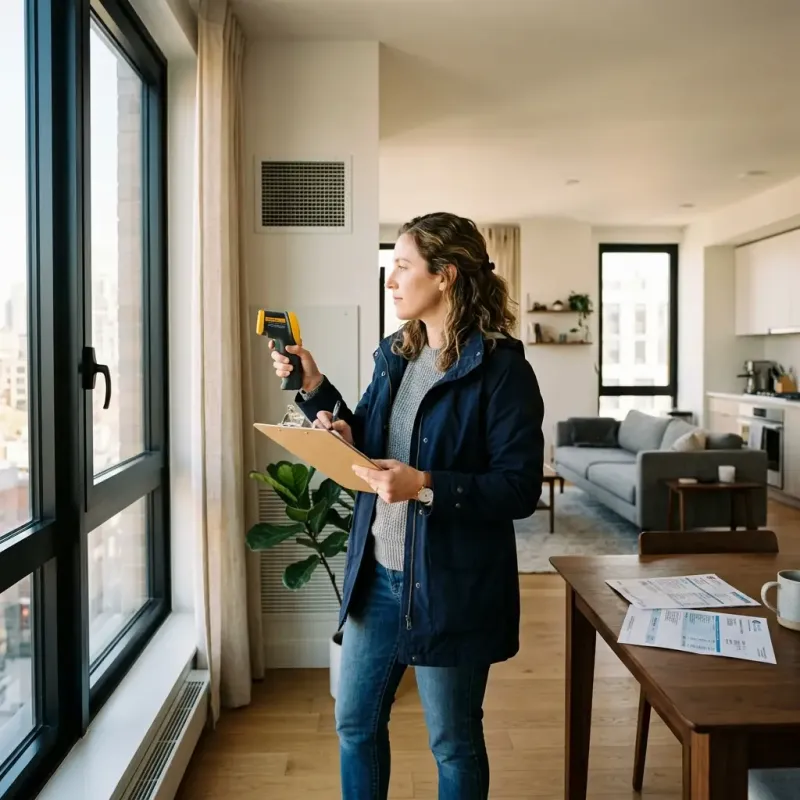
Key takeaways
- Walk the flat with a notebook: drafts, blocked radiators, always-on lights, dripping taps.
- One change per day beats a shopping list of gadgets.
- Thermostat setpoints cannot fix open windows or uncovered radiators.
- Photograph meter readings weekly to see real impact.
What to check first
- List rooms that feel worst.
- Note outdoor temperature when they feel worst.
- Check for daylight under doors/windows.
- Unplug vampire loads for a weekend test.
Dwell Calm tip
Most “energy audits” sold to renters are product funnels. Your eyes, a thermometer, and a week of notes beat a brochure.
When to get help
Professionals for gas appliances, electrical panels, and insulation inside walls.
60-minute renter energy walkthrough
- Radiators/vents clear?
- Draft tests on windward windows.
- Lighting still halogen?
- Shower head leaking?
- Fridge coils dusty?
- Portable AC hose sealed?
Score impact vs effort
High impact / low effort: clear radiators, LED swaps, shorter showers, draft tests. Low impact / high effort: decorative smart gadgets with subscriptions.
Turn notes into landlord requests
If the envelope fails (rotted seals, broken glass), send dated photos. Personal habits cannot fix failed building components.
Full renter walkthrough notes
Carry a phone and write: outdoor temp, indoor temp by room, drafts found, lights still halogen, dripping taps, dirty fridge coils, portable AC hose fit, radiator clearance.
Score impact vs effort
Do high-impact low-effort items this week. Leave decorative smart gadgets for later.
Turn notes into requests
Envelope failures need management. Habits are yours.
Practical next steps
Test one change at a time and give the room a few hours before judging results. Note outdoor weather, time of day, and whether doors or windows were open. That simple record prevents wasted purchases and gives clearer information if you need a landlord or technician.
Prefer reversible, lease-safe fixes first. Stop and get qualified help for gas smells, electrical faults, active leaks, large mold areas, or equipment that should not be opened by tenants.
For related checks, use the draft, humidity, and room-diagnosis guides on Dwell Calm rather than stacking random gadgets in the same afternoon.
Field notes: Energy Audit Checklist: A Practical Room-by-Room Guide to Finding Wasted Energy
This section adds the decision detail most short guides skip: what to measure, what to try first in a real flat, and when to stop and escalate. It is written for apartments and rentals where permanent renovation is not an option.
How to use this guide without wasting money
Change one variable at a time and give the room hours, not minutes. Note outdoor weather, time of day, and whether doors/windows were open. That log prevents stacked “fixes” that hide what actually worked.
Lease-safe boundaries
Photograph anything you change. Prefer screw-free or fully reversible products on painted surfaces. Ask in writing before altering entry doors, fire doors, or shared building components. Stop for gas smells, electrical faults, active leaks, or large mold — those are not DIY content problems.
When this page is not enough
If symptoms stay extreme after basic checks — room far outside the rest of the home, water damage, combustion appliance concerns, breaker trips — document conditions and contact a qualified professional or building management. Dwell Calm is informational, not a substitute for HVAC, electrical, mold, or legal advice.
Score your flat in one evening
Give each item 0–2 points: clear radiators, sealed entry door, LED daily bulbs, bath fan used, no tilted windows overnight, portable AC hose sealed, fridge coils clean. Under 8 points: fix the zeros before buying gadgets. Photograph the meter or note outdoor temp so next week’s comparison means something.
Full evening audit script
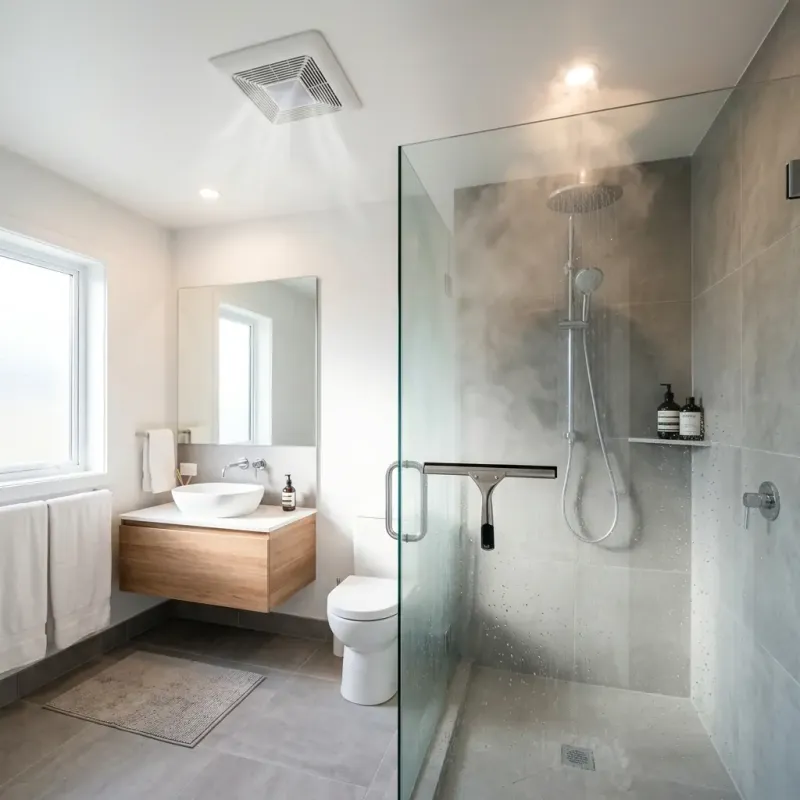
Start at the entry door with the lights off: look for light under the door. Then feel window edges on the windward side. Open every supply vent cover and confirm nothing is stuffed behind furniture. Check the bath fan by holding a tissue — if it barely pulls, clean the cover and note it for management. Look at the fridge dust coils, the portable AC hose geometry, and whether any window is permanently tilted. Write outdoor temperature and indoor temperature in the worst room. That single page of notes is your energy audit; apps are optional.
Next night, fix only the highest-impact zero: usually the entry draft or a blocked radiator. Re-measure. If bills matter, compare weeks with similar weather, not vibes.
Landlord packet
Attach dated photos of failed seals, broken glass, or vents that push air into a ceiling void. Ask for a work order number. Personal habits cannot fix a failed envelope alone.
Follow-up checks
Revisit this problem after weather changes. A fix that works on a calm day may fail on a windy night. Keep a short note of what you installed and when you removed seasonal products.
If you email support or your landlord, include the room, the symptom time of day, and one photo. Clear packets get faster answers.
Follow-up checks
Revisit this problem after weather changes. A fix that works on a calm day may fail on a windy night. Keep a short note of what you installed and when you removed seasonal products.
If you email support or your landlord, include the room, the symptom time of day, and one photo. Clear packets get faster answers.
More detail you can use today
One notebook page beats a brochure. Fix zeros in impact order and compare similar-weather weeks.
If a product fights your windows, doors, or lease rules, remove it. A stuck sash or scraped fire door is a worse outcome than a small leftover draft. Prefer reversible kits and keep packaging until you know the fix earned its keep.
When comfort finally stabilizes, stop adding layers. Extra gadgets after the problem is solved mostly add clutter and energy use.
Share what worked with your household so people do not reopen tilted windows or block the radiator you just cleared. Consistency keeps the win.
More detail you can use today
One notebook page beats a brochure. Fix zeros in impact order and compare similar-weather weeks.
If a product fights your windows, doors, or lease rules, remove it. A stuck sash or scraped fire door is a worse outcome than a small leftover draft. Prefer reversible kits and keep packaging until you know the fix earned its keep.
When comfort finally stabilizes, stop adding layers. Extra gadgets after the problem is solved mostly add clutter and energy use.
Share what worked with your household so people do not reopen tilted windows or block the radiator you just cleared. Consistency keeps the win.
Related guides
 How to Improve Thermal Comfort Without Major RenovationsEffective strategies that don't require landlord permission or large investments to keep your home at the idea...
 How to Keep a Room Warmer Without Turning Up the HeatLow-cost and renter-friendly ways to keep a room warmer by reducing drafts, improving airflow, using curtains,...
 Mold Prevention in Apartments: What You Can ControlLearn the basics of mold prevention in apartments, including humidity control, condensation checks, airflow an...
FAQ
Can I do an energy audit without tools?
Yes. You can still check obvious drafts, blocked vents, window coverings, thermostat habits, lighting, appliance heat, and room-to-room comfort differences.
What should renters focus on first?
Focus on reversible changes: curtains, door gaps, radiator clearance, fan use, lighting, outlet drafts, and maintenance requests for leaks or broken equipment.
When is a professional audit worth it?
It is more useful when bills are unusually high, several rooms are uncomfortable, insulation may be missing, or you own the home and can make permanent changes.
Sources
About Emma Collins
Home comfort editor. Emma writes from rental living, room measurements, and public EPA / ENERGY STAR guidance — not as a licensed contractor, electrician, or medical professional.
Learn more about Emma ->