Cold Rooms
How to Keep a Room Warmer Without Turning Up the Heat

The goal is not to trap yourself in a sealed room. It is to reduce heat loss, improve warm-air delivery, and make surfaces feel less cold.
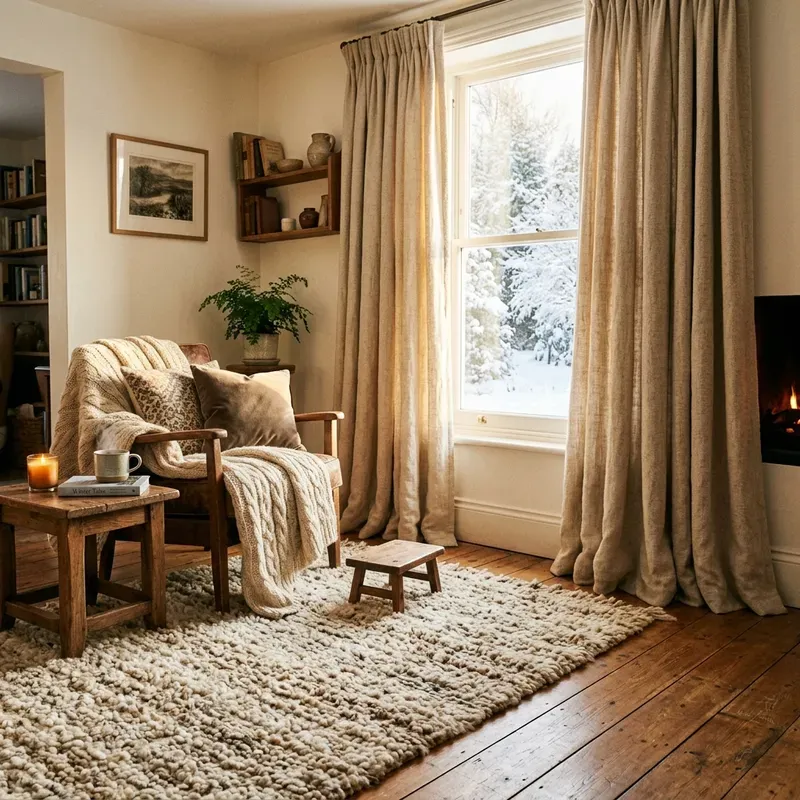
Best fixes first
Start with airflow and drafts before buying heat. A room with a blocked vent or leaking window will waste extra heat. If the room has a working supply vent, let warm air enter and mix. If windows leak, seal the moving air. If the floor is cold, add a rug layer.
Low-cost fix table
| Fix | Best for | Cost level | Renter-friendly? |
|---|---|---|---|
| Move furniture off vents | Weak room heating | Free | Yes |
| Weatherstripping | Door and window leaks | Low | Usually |
| Thermal curtains | Cold glass at night | Low to medium | Yes |
| Rug plus pad | Cold floors | Medium | Yes |
| HVAC balancing | Persistent weak airflow | Professional | Ask landlord |
Renter-friendly fixes
- Use removable draft stoppers and rope caulk.
- Hang curtains without drilling when possible.
- Add a rug and pad over cold floors.
- Keep closet and exterior-wall clutter from trapping cold air.
- Report weak heat in writing with temperature readings.
Safety mistakes to avoid
- Do not use ovens for heat.
- Do not plug space heaters into extension cords or power strips.
- Do not block vents with fabric or furniture.
- Do not cover mold or damp surfaces with insulation materials.
When the room needs repair
If the temperature gap stays large, use the cold-room diagnosis guide. A room over a garage, a leaking duct, or poor insulation may need real repair rather than another blanket.
My experience warming a room without turning up heat
My coldest room was a north-facing office that never got direct sun. A $35 thick rug, rope caulk on the window trim, and closing curtains at dusk raised comfort enough that I stopped using a space heater most days.
The lesson was layering fixes: each change added one or two degrees, and together they made the room usable.
FAQ
Can curtains really make a room warmer?
They can improve comfort near cold glass, especially at night, but they work best after air leaks are sealed.
Do rugs help cold rooms?
Yes, rugs reduce cold-floor discomfort, especially over garages or crawl spaces.
Should I close the door to keep heat in?
Only if the room still has a return-air path. Closing the door can reduce HVAC airflow in some rooms.
Is a space heater a good fix?
It can be temporary, but use it safely and do not ignore the underlying draft or airflow issue.
What is the first free fix?
Move furniture and curtains away from vents and compare airflow with other rooms.
Practical apartment checks before spending money
Apartment comfort problems need a slightly different approach because many permanent fixes belong to the property owner. Start with things you can observe and document: temperature gaps, humidity readings, weak airflow, drafts at doors or windows, condensation, stale smells, and whether the problem changes when doors or windows are open.
| Check | Why it matters | Renter-safe first move |
|---|---|---|
| Temperature notes | Shows whether one room is outside the normal pattern | Record morning, afternoon, and night |
| Humidity readings | Separates damp air from stale air | Use a hygrometer for several days |
| Window and door edges | Finds leaks you can often reduce reversibly | Use draft stoppers or removable seals |
| Maintenance issues | Leaks, mold, electrical, and HVAC faults need repair | Send clear photos and written notes |
Renter note
Do not make permanent changes without permission. The strongest renter strategy is reversible comfort work plus clear documentation for problems the landlord or building manager must address.
When not to DIY
Stop and request help for leaks, visible mold, electrical issues, unsafe heaters, damaged windows, or HVAC equipment that does not operate normally.
Field notes: How to Keep a Room Warmer Without Turning Up the Heat
This section adds the decision detail most short guides skip: what to measure, what to try first in a real flat, and when to stop and escalate. It is written for apartments and rentals where permanent renovation is not an option.
Warmth without guessing
Separate three problems: moving cold air (drafts), cold surfaces (glass/floor), and weak heat delivery (blocked radiators/vents). Raising the thermostat cannot fix a blocked panel or a tilted window left open all winter.
Measure at seating height in the room center, same time for three days. Compare to the hallway. A large gap with a hot radiator means loss elsewhere; a lukewarm radiator means delivery/balance/air issues.
| Symptom | Check first | Renter-safe move |
|---|---|---|
| Cold ankles, warm chest | Door/window drafts | Sweep + weatherstrip tests |
| Hot panel, cold room | Furniture/curtains blocking | Clear 10–15 cm face |
| Cold top of radiator | Trapped air | Bleed only if allowed |
| Cold floor | Uninsulated slab/crawl | Rug + pad |
Lease-safe boundaries
Photograph anything you change. Prefer screw-free or fully reversible products on painted surfaces. Ask in writing before altering entry doors, fire doors, or shared building components. Stop for gas smells, electrical faults, active leaks, or large mold — those are not DIY content problems.
When this page is not enough
If symptoms stay extreme after basic checks — room far outside the rest of the home, water damage, combustion appliance concerns, breaker trips — document conditions and contact a qualified professional or building management. Dwell Calm is informational, not a substitute for HVAC, electrical, mold, or legal advice.
Passive stack
Sweep, curtains, rug, stop tilted windows. Reassess after two nights before buying heaters.
Passive warmth sequence
Stop drafts, manage curtains by sun timing, cover cold floors, then consider heaters as backup with safe plug practice.
Follow-up checks
Revisit this problem after weather changes. A fix that works on a calm day may fail on a windy night. Keep a short note of what you installed and when you removed seasonal products.
If you email support or your landlord, include the room, the symptom time of day, and one photo. Clear packets get faster answers.
Follow-up checks
Revisit this problem after weather changes. A fix that works on a calm day may fail on a windy night. Keep a short note of what you installed and when you removed seasonal products.
If you email support or your landlord, include the room, the symptom time of day, and one photo. Clear packets get faster answers.
More detail you can use today
For keep room warmer without heat, change one variable, wait through a full evening, and write outdoor conditions in a note. Escalate shared-building failures with photos.
If a product fights your windows, doors, or lease rules, remove it. A stuck sash or scraped fire door is a worse outcome than a small leftover draft. Prefer reversible kits and keep packaging until you know the fix earned its keep.
When comfort finally stabilizes, stop adding layers. Extra gadgets after the problem is solved mostly add clutter and energy use.
Share what worked with your household so people do not reopen tilted windows or block the radiator you just cleared. Consistency keeps the win.
Related guides
 Are Top Floor Apartments Hotter? Why It Happens and What HelpsWhy top floor apartments get hotter, especially at night, and renter-friendly ways to reduce heat from roof ex...
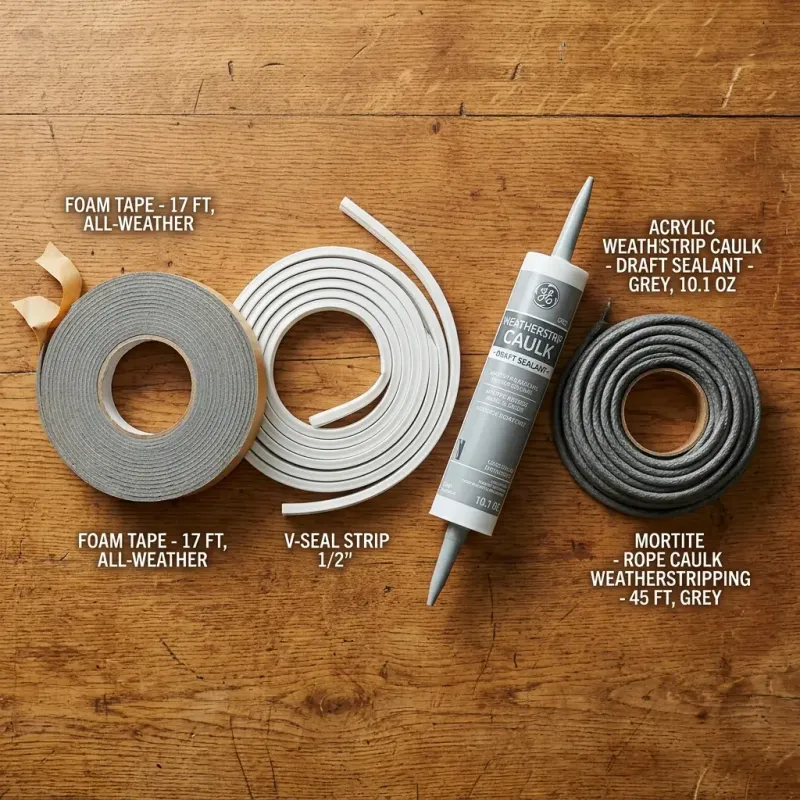 Weatherstripping vs Caulk: Which Should You Use and WhenWeatherstripping vs caulk: learn which one to use for moving parts, fixed gaps, drafty windows and doors, plus...
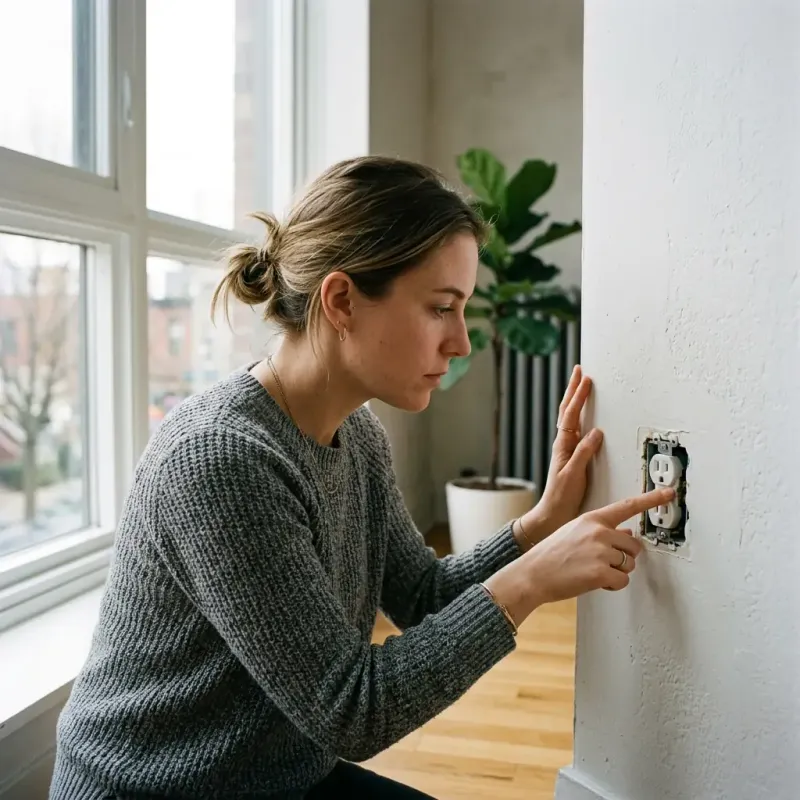 What Is a Draft in a House?A clear explanation of drafts in houses, how air leaks happen, where drafts come from, and how to find and fix...
 Why Your Apartment Loses Heat in Winter and How to Stop ItWhy does your apartment lose heat so fast in winter? Learn the real heat-loss causes, how to diagnose them roo...
Sources
About Emma Collins
Home comfort editor and home wellness advocate with 10 years helping families create calm, functional spaces. Emma created Dwell Calm to share practical, renter-friendly home comfort advice.
Learn more about Emma ->